

A hairline crack in the drywall or a slightly sticky door might seem like nothing more than the normal quirks of an older home. But small warning signs like these are often the first visible clue of a much larger structural issue developing out of sight. Ignoring them rarely makes them go away, and in most cases the cost and complexity of the repair only grow with time. Understanding which problems tend to escalate quickly can help you decide when a quick DIY fix is fine and when it is time to call in a trained eye.
Foundation Cracks That Widen Over Time
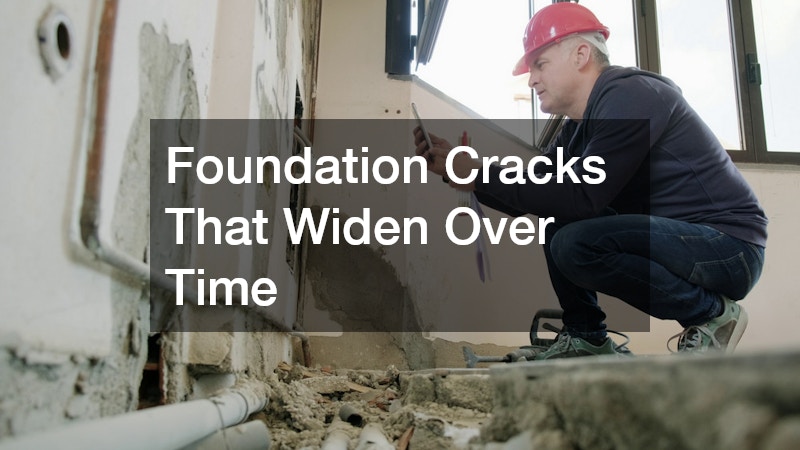 Not every crack in a foundation wall or slab signals disaster, but certain patterns are worth watching closely. Hairline cracks under a sixteenth of an inch, especially vertical ones in poured concrete, are often just the result of normal curing and shrinkage. The cracks that deserve real attention are wider than a quarter inch, run diagonally, or appear in a stair-step pattern along mortar joints, since these often point to settling or shifting soil beneath the home. Location matters as much as size. Cracks near corners of the foundation, around window wells, or beneath load-bearing beams tend to indicate more serious structural stress than similar cracks in the middle of a long wall. A crack that’s noticeably wider at the top than the bottom (or vice versa) suggests one side of the foundation is sinking faster than the other, which is a strong sign of differential settlement. Tracking change over time is just as important as the initial measurement. Homeowners can mark the ends of a crack with a pencil and date, or use a simple crack gauge, to see whether it’s actively expanding month to month. A crack that grows even a sixteenth of an inch over a few months warrants a professional look, since active movement is far more concerning than a stable, long-standing crack. Left unchecked, this movement can compromise load-bearing walls, distort door and window frames, and eventually affect the roofline. In more severe cases, it can lead to water intrusion through the widened gaps, accelerating damage to insulation, framing, and interior finishes long before the structural issue becomes obvious to the untrained eye.
Not all foundation cracks mean trouble, but knowing which ones do requires more than a quick glance. Hairline cracks under 1/8 inch that run vertically are often just the result of normal concrete curing. Cracks wider than 1/4 inch, horizontal cracks, or cracks that step diagonally through mortar joints are the ones worth worrying about, and a professional foundation inspection is the only reliable way to tell the difference. Inspectors use tools like laser levels, moisture meters, and sometimes soil analysis to pinpoint the cause rather than just the symptom. A laser level can reveal whether a floor has settled unevenly by even a fraction of an inch, while moisture readings help identify whether hydrostatic pressure or poor drainage is driving the movement. Soil analysis matters too, since expansive clay soils that swell and shrink with moisture are a common culprit behind recurring cracks in many regions. Timing also plays a role in how inspectors interpret what they find. A crack that’s remained the same width for years is a different story than one that’s grown 1/16 inch in the past six months, and inspectors often recommend monitoring with a simple crack gauge before deciding on a fix. Catching the issue early often means the difference between a simple epoxy injection costing a few hundred dollars and a full underpinning project that can run into the tens of thousands. Waiting until doors stick, floors slope, or windows won’t close usually means the movement has already progressed well beyond the point where minor repairs will hold.
- Horizontal cracks in basement walls, which suggest pressure from expanding soil or hydrostatic pressure pushing inward — especially dangerous once they exceed 1/8 inch wide
- Cracks wider at the top or bottom, indicating uneven settling on one side of the foundation
- Stair-step cracks in cinder block or brick foundations, which often signal shifting beneath one corner of the structure
- Gaps forming between the foundation and exterior siding, letting moisture and pests into the wall cavity
- Doors or windows that suddenly stick or won’t latch properly, a sign the frame is racking out of square
- Cracks that reappear or grow after a DIY patch job, meaning the underlying movement was never actually resolved
Roof Damage That Leads to Hidden Water Intrusion
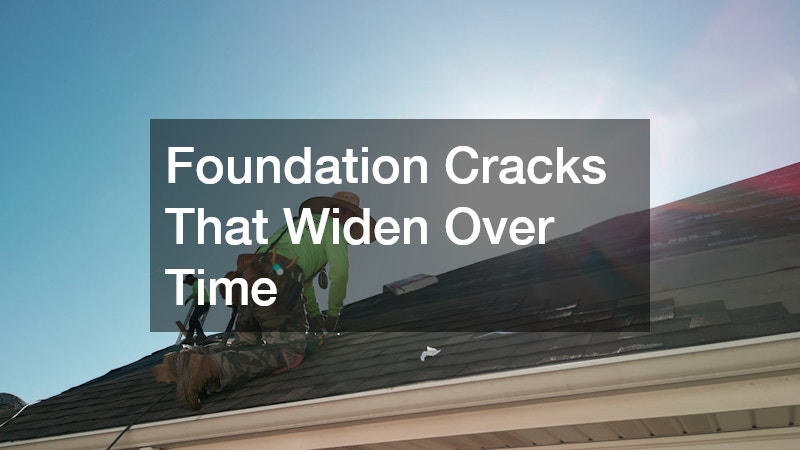
A missing shingle or a small leak might seem minor, but water finds the path of least resistance and can travel far from the original entry point. Once moisture reaches the roof decking or attic insulation, it creates conditions for rot, mold, and weakened framing that are far more expensive to fix than the original leak. Many homeowners do not realize damage has spread until they see a stain on the ceiling, by which point the wood underneath may already be compromised.
Experienced roofing contractors can spot early signs of trouble that are easy to miss from the ground, such as curling shingles, deteriorated flashing, or granule loss in the gutters. Scheduling a roof evaluation after a major storm or every few years as routine maintenance can catch small problems before they become structural ones. Waiting until a leak is visible indoors almost always means the damage has already spread further than expected.
Plumbing Leaks That Undermine Framing and Slabs
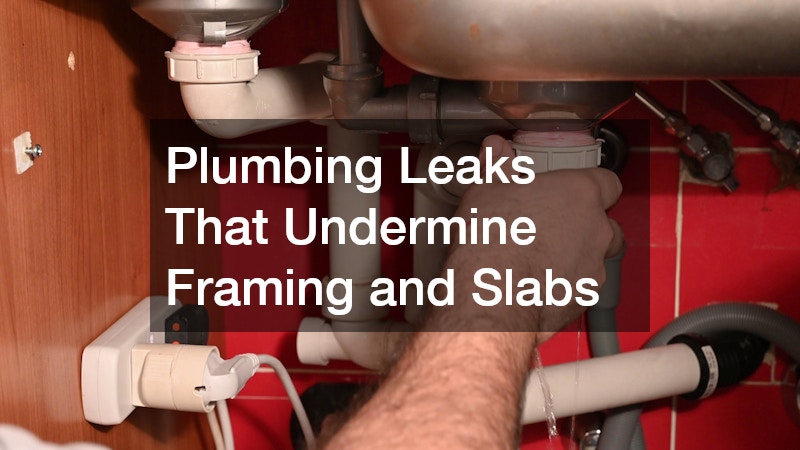
Water damage from plumbing issues is not always dramatic. A slow drip behind a wall or beneath a slab can go unnoticed for months while it quietly weakens wood framing, corrodes metal supports, or erodes the soil under a foundation. By the time a homeowner notices warped flooring or a musty smell, the damage may extend well beyond the original pipe.
Routine plumbing services, including pressure testing and camera inspections of older pipes, can catch slow leaks before they cause structural harm. This is especially important in homes with cast iron or galvanized steel plumbing, which are more prone to corrosion and failure. Addressing a small leak early is almost always cheaper than repairing water-damaged subflooring or a settled foundation later.
- Unexplained increases in water bills
- Warm spots on flooring, which can indicate a hot water line leak
- Musty odors near walls or under cabinets
- Visible mineral staining on pipes or fixtures
Deck and Porch Supports Weakened by Rot
Outdoor structures take a beating from weather year-round, and the posts and ledger boards that anchor a deck to the house are especially vulnerable to rot and insect damage. A deck that feels bouncy or has visibly sagging beams is often further along in deterioration than it appears from the surface. Because decks bear significant live loads during gatherings, a structural failure here poses real safety risks.
Regular inspection of the ledger board connection, post bases, and joist hangers can reveal early rot before it spreads to the rest of the structure. Homeowners who add features like outdoor solar shades or pergolas should also confirm that the added weight and anchor points do not exceed what the existing frame was built to support. A qualified inspector can assess whether reinforcement is needed before more of the structure is compromised.
Fence and Retaining Wall Failures From Soil Movement
Fences and retaining walls rely on stable soil and properly set posts, and both can fail gradually as ground conditions shift. Leaning fence posts, bulging retaining wall sections, or gaps forming at the base are signs that soil pressure or drainage issues are at work. Left alone, these problems tend to accelerate, especially after heavy rain saturates the ground.
A fence contractor who understands local soil types and drainage patterns can often identify whether a leaning section needs simple repair or a full rebuild with better footings. Retaining walls in particular should be evaluated if they show cracking or bowing, since a full collapse can damage nearby structures or hardscaping. Catching the early lean or shift is far less costly than dealing with a wall that has already given way.
- Fence posts that wobble or lean more than a few degrees
- Retaining walls with visible bulging or bowing
- Water pooling near the base of a wall or fence line
- Soil erosion exposing post footings
Garage Slab Cracks and Coating Failures
Garage floors endure heavy vehicle loads, temperature swings, and exposure to de-icing chemicals, all of which can accelerate cracking if the slab was not properly prepared. Small cracks that seem cosmetic can widen over time, allowing moisture underneath that leads to further deterioration. This is especially true in garages that also serve as workshops or storage spaces with added weight from shelving or equipment.
Applying a quality garage floor coating after cracks are properly assessed and repaired can extend the life of the slab significantly, but coating over an unresolved structural issue only hides the problem temporarily. Homeowners planning to install garage cabinets or heavy storage systems should also have the slab checked to confirm it can support the additional point loads. A short inspection before installation can prevent costly cracking once the cabinets are loaded with tools and equipment.
- Cracks that continue to grow season after season
- Flaking or pitting concrete near the garage entrance
- Uneven settling near the slab edges
- Moisture seeping through despite an existing coating
New Construction Issues That Surface After Move-In

Even brand-new homes are not immune to structural concerns, particularly if shortcuts were taken during the building process. Settling is normal in the first year, but excessive cracking, uneven floors, or doors that no longer close properly can indicate deeper issues with framing or foundation work. Homeowners who worked with a reputable custom home builder still benefit from an independent structural review once the home has settled through a full seasonal cycle.
A newly built home’s warranty period is the ideal window to address these issues, since many builders cover structural defects for a set number of years. Documenting problems early with photos and written notes makes it easier to hold the builder accountable if repairs are needed. Waiting too long can mean losing warranty coverage right as a problem becomes serious enough to require major work.
Yard Grading and Drainage Problems Near the Home
The ground immediately surrounding a home plays a bigger role in structural health than most people realize. Improper grading that slopes toward the foundation instead of away from it can direct rainwater exactly where it causes the most damage. Over time, this constant moisture exposure softens soil, increases hydrostatic pressure on foundation walls, and contributes to the kind of cracking discussed earlier in this article.
Simple landscaping choices can make a meaningful difference in managing water around a home. Applying a fresh layer of bulk landscape mulch in garden beds near the foundation helps slow erosion and improve how water is absorbed into the soil rather than pooling against the house. Combining proper grading with smart plantings and drainage solutions like French drains or extended downspouts can meaningfully reduce the moisture stress on a foundation over the years.
- Soil that slopes toward rather than away from the house
- Downspouts that empty within a few feet of the foundation
- Standing water in the yard after normal rainfall
- Mulch beds that have eroded and no longer direct water away
Electrical Panel and Wiring Issues Tied to Structural Work
Structural repairs often intersect with a home’s electrical system in ways homeowners do not anticipate, particularly during foundation work, additions, or major renovations. Older wiring disturbed during repairs can become a safety hazard if not properly assessed and updated. Warning signs like flickering lights, warm outlets, or a breaker panel that trips frequently should never be ignored, especially if they appear suddenly after other work is done on the home.
If sparking, burning smells, or exposed wiring show up during a renovation, calling for emergency electrical repair immediately is the safest course of action rather than waiting for a scheduled appointment. Electrical issues rarely resolve on their own and can escalate quickly into fire hazards. Coordinating structural and electrical assessments together during a major project helps ensure nothing gets overlooked once walls are opened up.
Most structural problems do not appear overnight, and that gradual progression is exactly what makes them easy to dismiss until they become expensive emergencies. Whether the concern involves a foundation crack, a sagging deck, or wiring exposed during a renovation, getting a qualified assessment early almost always saves money and stress down the road. Take the time to walk your property with a critical eye, note anything that looks off, and reach out to the right specialist before a minor issue turns into a major repair.
