

Most home repairs do not announce themselves with a bang. They start quietly as a slow drip, a faint smell, or a small crack that seems harmless enough to ignore for another season. Left unchecked, these minor issues compound into expensive emergencies that disrupt your life and drain your savings. Learning to recognize the early warning signs can help you catch problems while they are still manageable, protecting both your home’s value and your peace of mind.
Aging Water Heaters and Rising Utility Bills
Your water heater works quietly in the background until the day it does not, and by then you are usually standing in a cold shower wondering what went wrong. Most tanks last between eight and twelve years, so if yours is approaching that range, it is worth paying closer attention to subtle changes in performance. Rusty water, popping or rumbling sounds, and a tank that feels warm to the touch on the outside are all signals that trouble is brewing beneath the surface.
Waiting until total failure often means dealing with water damage on top of the original problem, which turns a planned upgrade into a stressful scramble. Scheduling a water heater replacement before the unit fails completely gives you time to compare models, including tankless options that can lower long-term energy costs. A sudden spike in your gas or electric bill, with no other explanation, is also a common clue that the unit is working harder than it should.
Furnace Noises and Inconsistent Heating Patterns

A furnace that bangs, rattles, or cycles on and off more frequently than usual is trying to tell you something. These symptoms often point to a clogged filter, a failing igniter, or a blower motor that is losing strength. Ignoring them rarely makes the noise go away, and in many cases the underlying issue gets worse the longer it runs unaddressed.
Uneven heating throughout the house, where one room feels fine and another stays stubbornly cold, is another sign that ductwork or airflow problems have been developing for a while. Reaching out to furnace repair companies at the first sign of trouble, rather than after a full breakdown in the middle of winter, tends to save homeowners both money and discomfort. A simple seasonal checkup can often catch small mechanical wear before it turns into a costly replacement.
Slow Drains and Softening Ground Near Septic Systems
If sinks and tubs drain slower than they used to, or if you notice a faint sewage smell near the yard, your septic system may be nearing capacity or developing a hidden leak. Standing water or unusually lush, green patches of grass over the drain field are classic signs that wastewater is not being absorbed the way it should. These symptoms tend to develop gradually, which is exactly why they get overlooked for so long.
Routine septic inspections every one to three years can catch sludge buildup or pipe damage long before it becomes a backyard emergency. A professional can also check tank levels and baffle condition, two things that are nearly impossible to assess without specialized tools. Catching these issues early is almost always cheaper than replacing an entire drain field after it fails.
Cracked Foundations and Shifting Exterior Grading
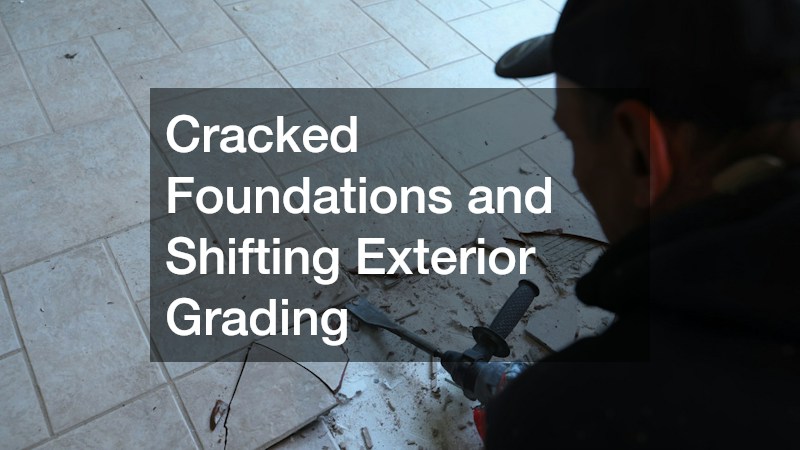
Hairline cracks in your foundation or exterior walls are common and often harmless, but widening cracks, especially ones wider than a quarter inch, deserve a closer look. Doors and windows that suddenly stick or no longer latch properly can indicate that the house is settling unevenly. These are the kinds of slow-motion problems that homeowners tend to explain away until the damage becomes visible from the street.
Proper grading and drainage around your foundation play a bigger role in prevention than most people realize, since water pooling near the base of your home accelerates soil erosion and pressure on the walls. Many landscapers recommend refreshing ground cover and using Bark Dust along foundation beds to help regulate moisture and reduce runoff erosion. Addressing drainage early is a small, affordable step that can prevent far more serious structural repairs later on.
Roof Membrane Wear and Interior Water Stains
A roof rarely fails all at once; instead, small areas of wear expand slowly until a leak finally shows up as a stain on your ceiling. By the time you see discoloration indoors, water has often been infiltrating the structure for weeks or months, traveling along rafters or sheathing before dripping somewhere visible. Flat or low-slope roofs are particularly prone to membrane cracking, blistering, and seam separation, all of which allow water to seep in long before any obvious leak appears indoors. These problems tend to show up first around rooftop penetrations like vents, skylights, and HVAC units, where flashing can pull away after years of thermal expansion and contraction. If you notice granules collecting in your gutters or soft spots when walking on the roof, those are signs the surface has already begun to break down. A roof shedding noticeable amounts of granules has usually lost a meaningful portion of its expected lifespan, since that coating is what protects the underlying material from UV damage. Inside the house, keep an eye out for ceiling stains that are yellow-brown rather than gray, faint musty odors in upstairs closets, or paint that bubbles near the ceiling line after heavy rain. Even a stain the size of a dinner plate can indicate a leak that’s been active for several storms, since water often spreads laterally before it soaks through drywall. Catching these clues early, rather than waiting for a steady drip, can mean the difference between a simple patch and a full roof replacement.
Interior water stains rarely show up the moment a leak begins. By the time a brown ring appears on a ceiling or ghostly streaks run down an interior wall, water has often been traveling along joists or behind drywall for weeks or months, which means the actual entry point on the roof can be several feet away from where the stain appears indoors. For homes with flat or low-slope roofing, working with an experienced PVC roofing contractor can make a significant difference, since these membrane systems require specialized seam welding and inspection techniques that differ from traditional shingle work. Seams are the most common failure point, and loose or improperly fused seams can let moisture seep in long before any visible sagging or ponding appears on the surface. A qualified contractor will also check flashing around vents, skylights, and HVAC curbs, since these penetrations are notorious for developing gaps as the membrane ages and contracts. Catching membrane wear early often means a simple patch rather than a full tear-off replacement, which can save thousands of dollars depending on the roof’s size and age. Small blisters, cracked seams, or areas where the membrane has pulled away from the edge are typically inexpensive fixes if addressed within a season or two. Left unchecked, though, these minor issues tend to expand into widespread delamination that compromises the entire roofing system. Scheduling an annual roof check, especially after severe weather, is one of the most cost-effective habits a homeowner can adopt. Hailstorms, high winds, and prolonged freeze-thaw cycles are common triggers for membrane punctures and seam separation, so a post-storm inspection can catch damage before the next heavy rain turns it into an interior problem. Pairing that outdoor inspection with a quick indoor walkthrough of ceilings and upper-floor walls gives homeowners an early warning system that’s far cheaper than repairing water-damaged insulation, drywall, or framing down the line.
Sagging Decks and Outdated Outdoor Structures

Decks take a beating from sun, rain, and temperature swings, and the damage often starts in places you cannot easily see, like the ledger board or support posts buried in concrete. Wobbly railings, soft or spongy boards, and rusted fasteners are all signs that structural integrity has been compromised. Because decks are outdoor living spaces, people tend to notice cosmetic wear like fading paint while missing the more serious issues happening underneath.
If your existing deck is more than fifteen years old or shows repeated signs of rot, it may be time to consider a custom deck build rather than another round of patchwork repairs. Newer materials, including composite decking, resist moisture and insect damage far better than older pressure-treated lumber. Investing in a well-built replacement now can save you from dealing with a collapsed board or a safety hazard later.
Weak Airflow and Rising Energy Costs
If certain rooms never seem to cool down in summer, or if your system runs constantly without ever quite catching up, your cooling equipment may be struggling more than you realize. Reduced airflow is often caused by a dirty filter, a failing compressor, or ductwork that has come loose somewhere in the attic or crawlspace. Ignoring these symptoms usually means your system is working overtime, which shows up later as a surprisingly high utility bill.
Scheduling regular air conditioning services before the peak summer season hits allows a technician to clean coils, check refrigerant levels, and catch minor issues before they cause a full shutdown. Many systems give off subtle clues, like a faint musty smell or inconsistent thermostat readings, well before they fail completely. A well-maintained system not only runs more efficiently but also tends to last several years longer than one that is neglected.
Faded Awnings and Weather-Damaged Window Coverings
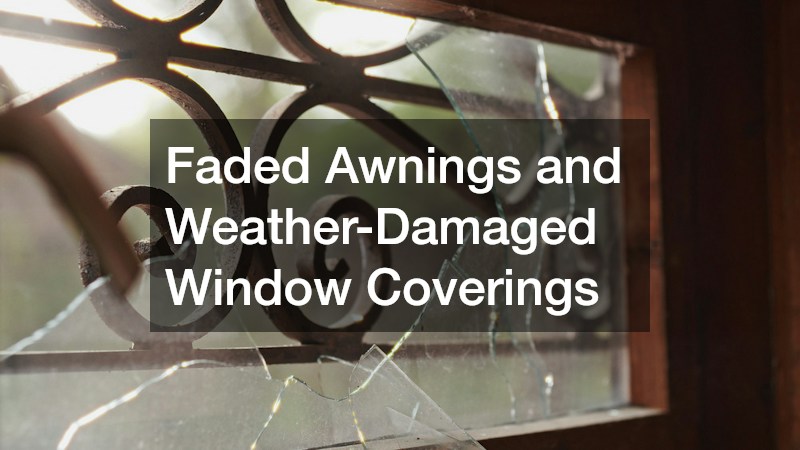
Outdoor awnings take on constant sun exposure, wind, and moisture, and over time that exposure causes fading, fabric tearing, and frame rust that most homeowners barely notice until it becomes obvious. A sagging frame or an awning that no longer retracts smoothly is often an early sign that the mechanical components are wearing out. Left unaddressed, a damaged awning can eventually detach entirely, creating a safety hazard during storms or high winds.
Working with a reputable awning company for periodic inspections can extend the life of the structure significantly, especially when it comes to lubricating moving parts and checking for loose anchoring points. Many people only think about awning repair after a storm causes visible damage, but proactive maintenance is far less expensive than emergency replacement. A well-maintained awning also helps reduce indoor cooling costs by blocking direct sunlight during the hottest parts of the day.
Cracked Siding and Hidden Moisture Intrusion
Siding serves as your home’s first line of defense against the elements, so cracks, warping, or discoloration are never purely cosmetic concerns. Moisture that gets behind damaged siding can lead to rot, mold, and insulation damage long before any of it becomes visible from the outside. Bubbling paint, a musty smell near exterior walls, or siding panels that feel soft to the touch are all signs that water has already found its way in.
Consulting experienced siding contractors at the first sign of damage allows for targeted repairs rather than a full replacement, which can save considerable money if caught early enough. Many contractors can also check behind a few panels during routine maintenance to confirm that moisture barriers and insulation remain intact. Addressing even a small section of damaged siding promptly helps protect the structural wood framing underneath, which is far more expensive to repair than the exterior finish itself.
Hidden Leaks and Aging Pipe Connections
Water damage is one of the most expensive problems a homeowner can face, and it frequently starts with a leak so small it goes unnoticed for months. Discolored patches on ceilings or walls, a persistent musty odor, or unexplained increases in your water bill are all signs that a pipe somewhere in the house may be failing. Older homes with original plumbing are especially susceptible, since galvanized pipes and aging fittings corrode gradually from the inside out.
Calling a licensed plumber for a whole-house inspection every few years can catch slow leaks, corroded joints, and weak water pressure before they turn into burst pipes. Many plumbers can also perform a camera inspection of main sewer lines, which reveals root intrusion or blockages that would otherwise go undetected. Addressing small plumbing issues as they arise is almost always less disruptive and less expensive than dealing with a flooded basement later on.
Small, quiet warning signs are far easier and cheaper to address than the major repairs they eventually become if ignored. Walking through your home every season with a critical eye, and acting quickly when something seems off, is one of the simplest ways to protect your investment. If you notice any of the signs covered here, do not wait for the problem to announce itself more loudly. Reach out to a qualified professional for an inspection, and give your home the attention it has quietly been asking for.
