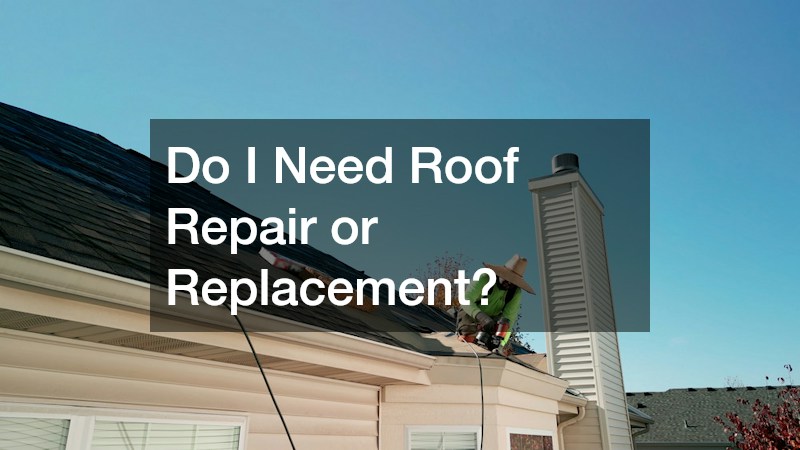
Understanding when to repair or replace your roof can save you time, stress, and significant costs. In this article, we’ll explore common questions related to roof maintenance and help you make informed decisions. Whether you’re dealing with leaks, damaged shingles, or just concerned about the age of your roof, knowing when to take action is critical. Proper roof care not only protects your home but can also enhance its value. Let’s delve into the key considerations every homeowner should be aware of for effective roof management.
How do I know if my roof needs repair?
Recognizing the signs that your roof needs repair is essential for timely intervention. Missing or damaged shingles, sagging areas, and visible leaks within your home are all indicators. In some cases, water stains on ceilings or walls hint at roof leaks needing immediate attention. Regular roof inspections, ideally twice a year, can help identify these issues early. Quick repairs can prevent small problems from escalating into costly replacements, ensuring the longevity of your roofing system.
Another important factor is to check for water accumulation or ‘ponding’ on flat or low-sloped roofs. Such conditions can lead to deterioration of roofing materials, hence requiring prompt attention. Similarly, the presence of mold, moss, or mildew on the roof surface suggests moisture retention issues. Addressing these promptly with repairs can protect the structural integrity of your roof. Homeowners often overlook this, only to incur substantial expenses later.
The age of your roof also plays a crucial role in determining repair needs. Most residential roofs last between 20 to 25 years depending on material and exposure to the elements. If your roof is relatively young but showing signs of wear, repair rather than replacement might be recommended. Ensure you have professional assessments to make an informed decision. It’s advisable to keep documentation of past repairs for a detailed history of your roof’s condition.
What are the signs that I need a roof replacement?
Roof replacement is a significant investment, often necessitated by extensive damage or aging. Persistent leaks, widespread shingle damage, and granule loss from shingles are telltale signs. If you’ve had to repair your roof frequently in recent years, it might be time to consider a full replacement. Another indicator includes visible daylight through the roof boards in the attic. Ignoring these signs may compromise your home’s structural integrity.
Moreover, sagging or drooping roof lines are critical red flags that necessitate immediate evaluation for replacement. They often signal severe structural issues that repairs alone cannot address. You’ll also need to consider the energy efficiency of your home; older roofs with inadequate insulation may drive up heating and cooling costs. New roofing solutions often come with improved insulation, translating to energy savings over time. Considering these factors can ensure you make a cost-effective decision.
Material aging is another consideration, particularly if you notice accelerated wear compared to your neighbor’s homes. Weather conditions, such as heavy snowfall or torrential rains, can aggravate wearing processes. While regular maintenance aids in prolonging roof life, once materials reach their functional end, replacement becomes inevitable. Consult with roofing professionals to evaluate material conditions and futureproof your home with durable solutions. This approach minimizes reactive rather than proactive maintenance, helping you avoid emergencies.
What are the costs associated with roof repair versus replacement?
Understanding the financial implications of roof repair versus replacement is essential to strategic planning. Repairs typically cost less, targeting specific issues like shingle replacement or minor leaks. However, repeated repairs can accumulate, equating to the cost of a new roof over time. On the other hand, a complete replacement involves greater upfront costs but offers long-term savings in reduced maintenance and enhanced energy efficiency. Weighing these considerations against your budget is crucial for effective decision-making.
Roof repair costs depend on material type, damage severity, and labor expenses unique to your location. For instance, asphalt shingles are generally less expensive to repair compared to slate or tile. In contrast, replacement costs vary based on material choice, roof size, and the complexity of labor involved. Homeowners seeking sustainable and energy-efficient options might opt for materials like metal, which offer longevity and may incur tax benefits. Engaging with contractors for multiple estimates ensures competitive pricing and informed choices.
While initial replacement investment is high, it’s beneficial to consider long-term financial and environmental gains. New roofs often come with warranties protecting against future damage, providing peace of mind. Enhanced materials and installation techniques also contribute to lower energy bills, offsetting initial expenditures over time. Deciding between repair and replacement entails a balance of immediate cost against future savings, quality, and sustainability. Comprehensive evaluations support financially nuanced decisions.
How often should I have my roof inspected?
Regular roof inspections play a pivotal role in maintenance strategy, ideally conducted annually or biannually. Inspections help identify potential issues such as damaged shingles, leaks, and structural vulnerabilities early. By engaging professional services, homeowners can obtain detailed assessments and expert suggestions on needed interventions. Given that weather patterns are increasingly unpredictable, after significant storms, inspections should be mandatory. Proactive measures reduce emergency repairs and prolong roof life.
Fall is the recommended time to prepare roofs for winter’s challenges, whereas spring checks detect any winter-induced damage. Routine inspections are crucial for preventive maintenance, significantly reducing unforeseen roofing expenses. By addressing problems during inspections, potential water damage impacting other structures like walls and ceilings can be averted. Many people neglect this vital aspect of upkeep, resulting in larger, costlier issues. Documenting your roof’s condition with each inspection supports strategic repair or replacement planning.
Moreover, familiarity with your roof’s history aids in efficient problem resolution during unanticipated issues. Inspections provide historical data, assisting professionals in recognizing recurring problems and potential long-term solutions. They also offer insights for future innovations in roofing solutions, such as integrating green or energy-efficient technologies. Regular professional evaluations build a proactive maintenance mindset, conserving resources and ensuring optimal protection. Such diligence enhances property value and ensures home safety over the years.
Can weather events affect the decision to repair or replace?
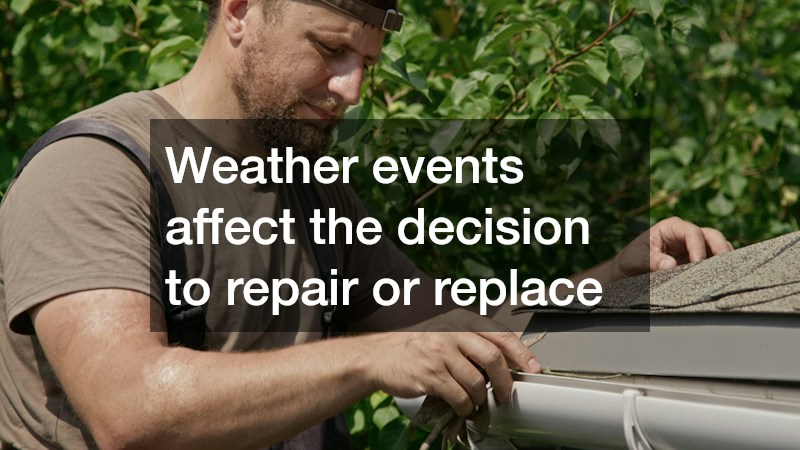
Extreme weather events, including hurricanes, hailstorms, and intense heat, significantly impact roofing decisions. They can accelerate wear and tear, necessitating more frequent evaluations to determine repair or replacement viability. Post-weather event inspections are crucial to assessing damage extent and overall roof health. Professional evaluations often reveal underlying issues like hidden leaks or weakened structures not immediately apparent. Understanding how climate influences roofing needs positions homeowners for timely decisions.
In regions prone to severe weather, homeowners should factor potential future conditions into roofing decisions. Durability becomes a primary criterion, driving choices towards advanced materials designed for resilience against specific weather patterns. Here, repairs offer temporary relief, while replacement furnishes owners with robust long-term solutions. Strategically selecting materials resistant to local climate conditions ensures maximum roof longevity and cost-effectiveness. Climate-adaptive options minimize maintenance and enhance household safety.
Additionally, insurance claims might arise following significant weather-induced damage, influencing repair or replacement decisions. Insurance coverage often depends on damage severity and policy specifics; hence, understanding terms is vital. Collaborate with insurers and roofing experts to align repairs or replacements with policy stipulations, optimizing benefits. Such partnerships also provide insights into insurance-driven upgrades, promoting modern materials and installation practices. Weather-aware planning safeguards investments against natural adversities, supporting sustained safety and property value.
Deciding between roof repair and replacement hinges on several factors including the roof’s age, damage severity, and financial considerations. Armed with the right information, homeowners can ensure their roofs provide optimal protection. Regular inspections, addressing minor issues promptly, and understanding weather implications are key steps in maintaining a durable roof. By evaluating short-term and long-term impacts, informed roofing decisions support sustainable home maintenance. Ultimately, investing in either timely repairs or strategic replacements ensures peace of mind and preserves home value.