
Most home disasters do not happen overnight. They build slowly behind walls, under floors, and inside systems homeowners rarely think about until something floods, breaks, or catches fire. The good news is that a handful of proactive upgrades can quietly stop these problems before they start, often saving thousands of dollars in emergency repairs.
This article walks through the smart, practical investments that protect your home, your budget, and your peace of mind.
Protecting Your Roof Before Small Leaks Become Big Problems
Your roof is your home’s first line of defense against wind, rain, and snow, yet most homeowners only think about it once water is already dripping into the attic. Small issues like cracked flashing, curling shingles, or clogged gutters can quietly worsen for years before symptoms show up inside the house. Scheduling a professional inspection once a year helps catch these problems while they are still cheap and easy to fix. Addressing a minor roof repair now can prevent the kind of structural water damage that costs tens of thousands of dollars to reverse later.
Beyond inspections, timing matters. Roofs are most vulnerable right after major storms, so a quick check after heavy wind or hail events is worth the effort. Waiting until spring to notice a problem that started in winter often means dealing with mold, rotted decking, or damaged insulation as well.
- Check attic spaces for water stains or musty odors after storms
- Clean gutters and downspouts at least twice a year
- Replace missing or curling shingles promptly
- Watch for granules collecting in gutters, a sign of shingle wear
Keeping Your Septic System Running Smoothly Underground
Septic systems are easy to ignore because they are buried and mostly silent, but neglect can lead to backups, foul odors, and contaminated yard water that are expensive and unpleasant to fix. Regular pumping every three to five years keeps solids from overwhelming the drain field, which is the most common cause of septic failure. When something does go wrong, prompt septic installation repairs can prevent sewage from backing up into the home or seeping into the surrounding soil, protecting both your property value and your family’s health.
Homeowners should also be mindful of what goes down the drain, since grease, wipes, and harsh chemicals can disrupt the bacterial balance that keeps a septic system functioning. Simple habits, paired with periodic professional checkups, extend the life of the system significantly and reduce the odds of a sudden, costly failure.
- Avoid flushing wipes, paper towels, or feminine products
- Space out laundry loads to prevent overloading the tank
- Keep heavy vehicles and structures off the drain field
- Watch for slow drains or soggy patches in the yard as early warning signs
Preparing for Power Outages With a Backup Power Source

Extended power outages do more than cause inconvenience; they can spoil refrigerated food, disable sump pumps during storms, and leave homes without heat in freezing conditions. A pipe burst from a frozen line, or a flooded basement from a failed sump pump, often costs far more to repair than the outage itself ever would. A properly sized generator installation gives homeowners a reliable safety net when the grid goes down, particularly in areas prone to severe weather or aging infrastructure.
Sizing matters more than most homeowners expect. A whole-home standby generator typically ranges from 10kW to 26kW depending on square footage and which systems need coverage, while a smaller unit might only handle the refrigerator, sump pump, and a few circuits. An electrician can calculate the exact load based on your HVAC system, well pump, and other major appliances to avoid underpowering the system during an actual emergency.
Standby generators can automatically kick in within seconds, keeping essential systems running without anyone needing to be home. Most run on natural gas or propane, which means no manual refueling and no fumes stored in the garage. Routine maintenance, such as annual inspections and periodic self-test cycles, keeps the unit ready to perform when severe weather actually knocks out power.
Choosing the right setup depends on how much of the home you want to keep powered. Some homeowners only need to run critical systems like the refrigerator, sump pump, furnace blower, and a few lights, which a portable generator or a smaller battery backup can typically handle. Others prefer whole-home coverage, which requires a standby generator with an automatic transfer switch and enough wattage to run HVAC systems, water heaters, and multiple appliances at once.
Sizing the system correctly is essential, since an undersized generator can be overloaded while an oversized one wastes money upfront. As a rough guide, a 5,000 to 7,500-watt generator covers most essential circuits, while whole-home systems often start around 20,000 watts depending on square footage and appliance load. A qualified electrician can run the actual calculations based on the home’s specific equipment.
Beyond sizing, homeowners should factor in fuel type, since propane and natural gas units offer more convenience than gasoline models that require regular refueling and cannot be stored indefinitely. Installation matters just as much: a properly installed transfer switch prevents dangerous backfeeding into utility lines, which can injure repair crews and violate code. Getting the work done to code also matters for safety and for insurance purposes, since some policies require proof of professional installation before covering generator-related claims.
- Portable generators cost $500–$1,500, but require manual setup and outdoor placement during a storm — never run one indoors or in a garage
- Standby generators ($3,000–$6,000 installed) kick in automatically within seconds, powering your whole home without extension cords
- Fuel type matters: natural gas offers unlimited runtime via your gas line, propane stores well long-term, and diesel is efficient but needs on-site fuel storage
- Size your unit to your needs — a small portable may only run a fridge and a few lights, while a standby unit can handle HVAC, water heaters, and appliances
- Regular maintenance (oil changes, battery checks, monthly test runs) keeps the unit ready when you need it most
- Consider a professional inspection annually to catch wear before an outage exposes it
Securing Your Property Boundaries and Yard Safety

A sturdy perimeter does more than mark property lines; it protects children and pets, deters trespassers, and can even reduce liability if someone is injured on your property. Working with an experienced fencing company ensures the structure is built to withstand local weather conditions, from high winds to heavy snow loads, rather than warping or leaning within a few seasons. Poorly installed fencing is a common source of unexpected repair costs, especially when posts are set too shallow or the wrong materials are used for the climate.
Fencing also plays a quiet role in water management, since it can direct runoff and reduce erosion along property edges when installed thoughtfully. Homeowners should consider both function and durability rather than choosing based on appearance alone, since a fence that fails prematurely often costs more in the long run than a higher-quality option installed correctly the first time.
- Choose materials suited to your climate, such as vinyl for wet regions
- Ensure posts are set below the frost line to prevent shifting
- Inspect annually for rot, rust, or loose hardware
- Consider height and design based on privacy and safety needs
Improving Indoor Air Quality Through Deep Carpet Care
Carpets trap far more than dust; they hold allergens, pet dander, mold spores, and bacteria that regular vacuuming cannot fully remove. Over time, this buildup can degrade indoor air quality and even damage the carpet fibers themselves, shortening their lifespan. Professional carpet cleaning services use hot water extraction and specialized treatments that pull deep-seated grime out of the padding, not just the surface.
This kind of deep cleaning is especially important in homes with children, pets, or family members with allergies or asthma. Scheduling a thorough cleaning every twelve to eighteen months not only extends the life of your flooring investment but also reduces the hidden health risks that come from years of accumulated buildup.
- Vacuum high-traffic areas at least twice a week
- Address spills immediately to prevent permanent staining
- Rotate furniture occasionally to avoid uneven wear
- Schedule professional deep cleaning annually or biannually
Planning a Kitchen Layout That Prevents Future Headaches

Kitchens take more daily wear than almost any other room in the house, which makes thoughtful planning essential before any renovation begins. Working with a skilled kitchen remodel designer helps homeowners avoid costly layout mistakes, such as placing appliances too close together or creating awkward traffic flow that leads to accidents and wear over time. A well-planned kitchen also anticipates future needs, like additional storage or updated wiring for modern appliances.
Good design goes beyond aesthetics; it also considers ventilation, water drainage, and electrical load, all of which can prevent problems down the road. A kitchen designed without enough clearance around the stove or sink, for example, can lead to constant splashing, heat damage, or premature wear on nearby surfaces.
- Plan enough clearance between countertops, islands, and appliances
- Ensure proper ventilation above cooking surfaces
- Factor in future needs, such as space for new appliances
- Choose durable, easy-to-clean surfaces for high-use areas
Choosing Durable Cabinetry That Withstands Daily Use
Cabinets endure constant opening, closing, moisture exposure, and temperature shifts, making them one of the most heavily used components in any kitchen. Choosing well-built kitchen cabinets with solid hinges and moisture-resistant materials can prevent warping, sagging shelves, and swollen doors that are common in cheaper builds. This is especially important near sinks and dishwashers, where humidity and small leaks are most likely to occur.
Investing in quality cabinetry upfront also reduces the likelihood of costly replacements just a few years down the line. Homeowners should pay attention to the materials used inside the cabinet box, not just the visible doors, since interior particleboard can deteriorate quickly if exposed to moisture.
- Choose plywood boxes over particleboard for better moisture resistance
- Check hinge quality, since cheap hardware fails first
- Seal cabinets near sinks to prevent water damage
- Inspect under-sink cabinets periodically for hidden leaks
Reducing Fire Risk With Regular Dryer Vent Maintenance
Lint buildup in dryer vents is one of the leading causes of house fires, yet it is one of the easiest problems to prevent. Over time, lint accumulates not just in the trap but throughout the vent duct, restricting airflow and causing the dryer to overheat. Scheduling professional dryer vent cleaning once a year removes this hidden fire hazard and also helps the appliance run more efficiently, which can lower energy bills.
Warning signs are often overlooked until it is too late, so homeowners should stay alert to how their dryer is performing. A dryer that takes longer than usual to dry clothes or feels unusually hot to the touch is often signaling a blocked vent that needs immediate attention.
- Clean the lint trap before every load
- Watch for longer drying times as a warning sign
- Check the exterior vent flap to ensure it opens freely
- Schedule a professional cleaning annually, especially for long duct runs
Maintaining Attic and Wall Insulation for Energy Efficiency
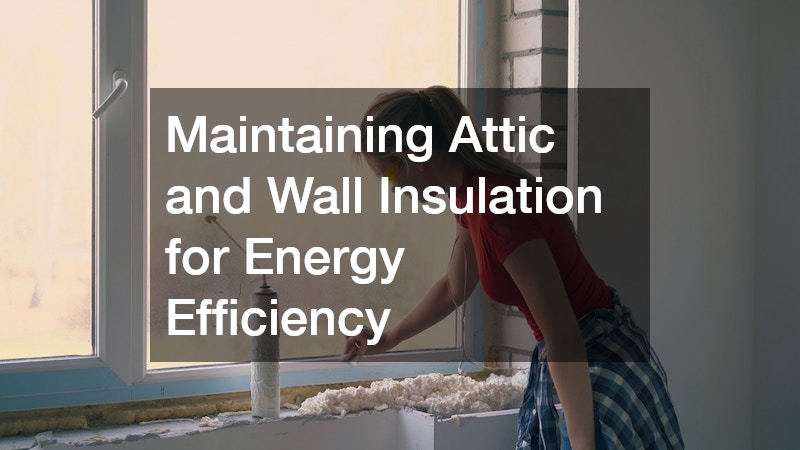
Insulation does more than keep a home comfortable; it also protects against moisture buildup, ice dams, and uneven temperatures that can stress a home’s structure over time. Properly installed batt insulation in attics and walls helps regulate humidity levels, which in turn reduces the risk of mold growth and wood rot. Older homes in particular often have insulation that has settled, compressed, or become damaged by pests, reducing its effectiveness significantly.
Upgrading insulation is one of the most cost-effective ways to prevent long-term structural issues while also lowering monthly energy costs. Homeowners should check insulation levels every few years, particularly after any roof or attic work, to ensure coverage remains consistent and effective.
- Check for compressed or damp insulation, which loses effectiveness
- Ensure even coverage across the attic floor
- Address pest damage promptly to prevent further degradation
- Consider adding insulation if your home is more than fifteen years old
Catching Appliance Problems Before They Cause Water or Fire Damage
Washing machines, dishwashers, and refrigerators are common sources of household leaks and, in rare cases, electrical fires when hoses or components fail unexpectedly. Scheduling routine appliance repairs at the first sign of trouble, such as unusual noises, leaks, or inconsistent performance, can prevent a minor issue from turning into a major disaster. Many homeowners wait too long, assuming a small drip or odd sound will resolve itself, when in fact these are often early warning signs of a bigger failure.
Keeping appliances well maintained also extends their lifespan and protects the surrounding flooring, cabinetry, and walls from water damage. A quick inspection of hoses, seals, and connections every few months can catch problems while they are still simple and inexpensive to fix.
- Replace rubber supply hoses with braided steel versions
- Listen for unusual noises during normal operation
- Check for pooling water or dampness around appliances
- Address minor issues quickly rather than waiting for full breakdowns
Conclusion
None of these upgrades require a complete home overhaul, but together they address the most common and costly points of failure in any house. Taking a proactive approach, whether that means scheduling an inspection, upgrading a system, or simply paying closer attention to warning signs, puts you back in control before a small issue becomes an expensive emergency. Start with the area that concerns you most, tackle one upgrade at a time, and you will steadily build a home that is safer, more efficient, and far less likely to surprise you with a costly disaster.
