

Every homeowner has faced the frustration of replacing something far sooner than expected, whether it’s a floor that warped after two years or a fence that rotted before the warranty even expired. Choosing durable materials up front costs more initially but saves thousands in premature replacements, repeated labor, and the headache of living through repeat renovations. This guide walks through the major systems and surfaces in a home, from the roof down to the yard, so you can make choices that hold up for the long haul. With a little research and the right questions for the professionals you hire, you can build a home that stays solid for decades instead of years.
Roofing Materials That Go the Distance
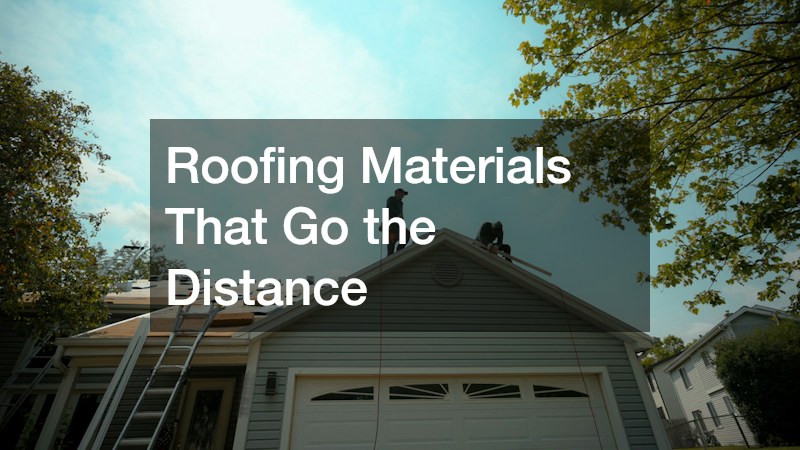
The roof is one of the most expensive systems to replace, so getting the material choice right matters more here than almost anywhere else in the house. Asphalt shingles remain popular because they are affordable, but standard three-tab versions often need replacing within 15 to 20 years, while architectural shingles and metal roofing can last 40 to 50 years with proper maintenance. Before committing to any option, it pays to consult with experienced roofers who can walk you through how local climate, slope, and ventilation affect longevity.
A knowledgeable roofer will also tell you that even the best materials fail early without correct installation, proper flashing, and adequate attic airflow. Ask about warranty terms, since manufacturers often offer longer coverage on premium materials, and make sure the installer’s workmanship guarantee matches the product warranty.
- Architectural or dimensional shingles typically outlast basic three-tab shingles by 15-20 years
- Standing seam metal roofing can last 40-70 years with minimal maintenance
- Clay and concrete tile roofs often exceed 50 years but require stronger structural support
- Proper attic ventilation extends the life of nearly every roofing material
HVAC Systems Built for Long-Term Performance
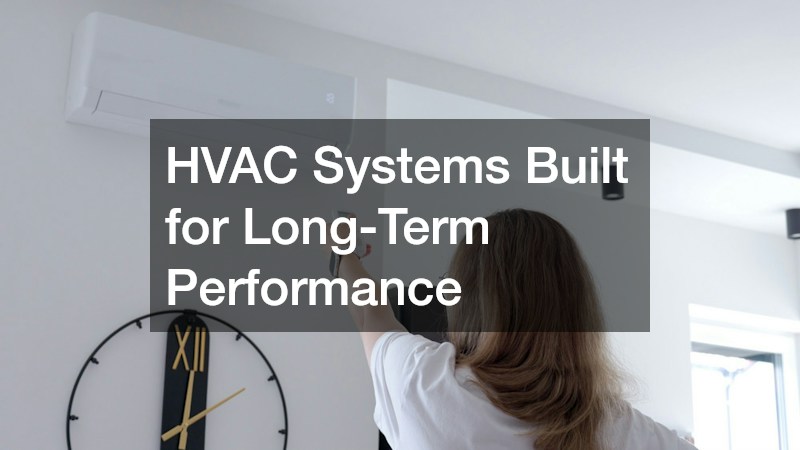
Heating and cooling systems are a major investment, and the difference between a system that lasts 10 years and one that lasts 20 often comes down to sizing, installation quality, and maintenance habits. Oversized or undersized units cycle inefficiently, which wears out components faster and drives up utility bills. Scheduling annual HVAC service helps catch small issues, like refrigerant leaks or worn belts, before they turn into expensive breakdowns.
When shopping for a new system, look beyond the sticker price and compare efficiency ratings, part availability, and manufacturer reputation for durability. Systems with variable-speed compressors tend to experience less mechanical stress over time than single-stage units, which can translate into a longer working life. Keeping filters clean and coils free of debris is a simple habit that meaningfully extends equipment lifespan.
- Variable-speed and two-stage systems generally last longer than single-stage units
- Annual professional tune-ups can add years to a system’s functional life
- Clogged filters and dirty coils are among the top causes of early HVAC failure
- Proper ductwork sizing prevents uneven wear on the system’s components
Ductless Mini Split Systems for Targeted Comfort
For additions, garages, or homes without existing ductwork, ductless systems offer a durable alternative to window units or extending traditional HVAC lines. A professional mini split installation ensures the indoor and outdoor units are properly sized and placed, which directly affects how long the system runs efficiently. Poorly matched or DIY-installed units tend to short-cycle, straining the compressor and shortening its lifespan considerably.
These systems also tend to have fewer points of failure than ducted systems since there’s no ductwork to leak, tear, or accumulate debris over time. With regular filter cleaning and annual inspections, a well-installed ductless unit can reliably serve a room for 15 to 20 years. This makes them a smart long-term option for additions or converted spaces where ducted heating and cooling isn’t practical.
- Ductless systems avoid the energy loss and wear associated with aging ductwork
- Proper unit sizing prevents short-cycling that shortens compressor life
- Outdoor condenser units should be placed away from debris and direct weather exposure
- Routine filter cleaning is essential to maintaining airflow and efficiency
Interior Wall Finishes That Resist Wear
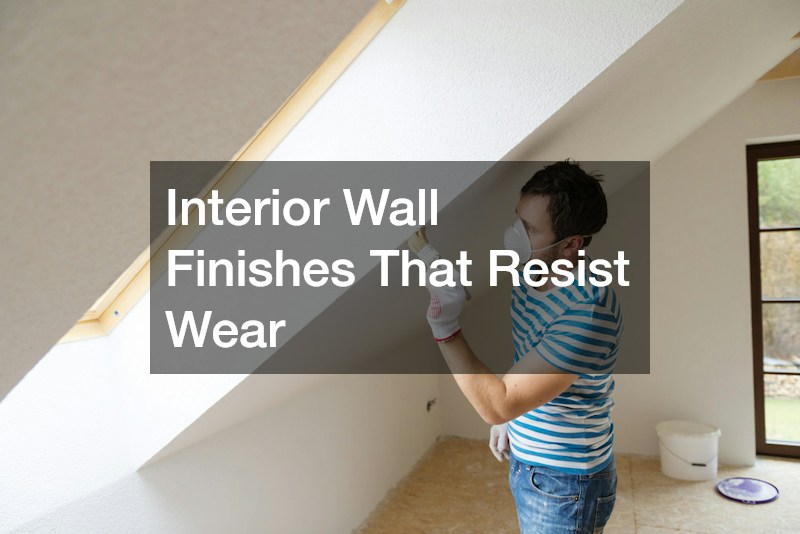
Paint might seem like a minor decision compared to roofing or flooring, but low-quality paint or poor prep work can mean repainting every three to five years instead of every ten. High-quality acrylic or hybrid enamel paints resist scuffing, fading, and moisture far better than cheaper builder-grade formulas. Many reputable interior painting companies also apply proper primer and multiple thin coats, which significantly extends how long a paint job looks fresh.
Beyond the paint itself, surface preparation determines how well the finish holds up over time. Walls that are properly cleaned, sanded, and primed hold paint far longer than those painted over dust, grease, or old peeling layers. Choosing a washable, scuff-resistant sheen in high-traffic areas like hallways and kids’ rooms also reduces the need for frequent touch-ups.
- Satin and eggshell finishes resist scuffs better than flat paint in busy areas
- Proper primer application prevents peeling and blotching over time
- Higher-quality paints contain more resin, which improves durability and washability
- Humidity-controlled rooms need mold-resistant, moisture-tolerant paint formulas
Flooring That Holds Up to Daily Traffic
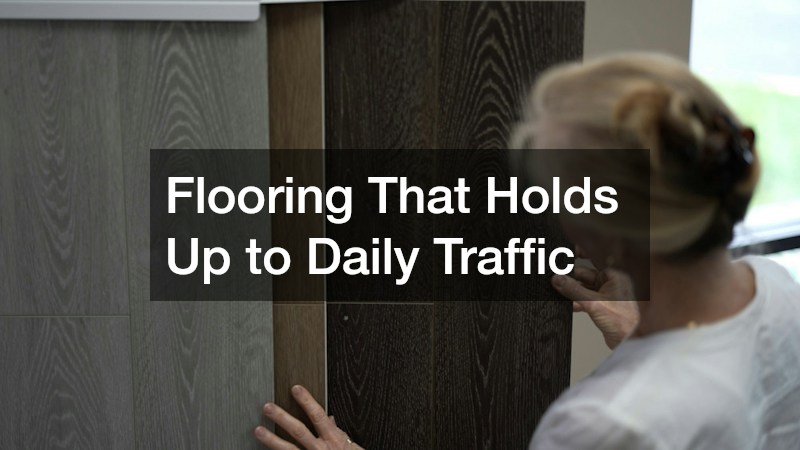 Flooring takes a beating from foot traffic, moisture, pets, and furniture, so material choice has a huge impact on how often it needs replacing. Luxury vinyl plank has become a popular option because it resists scratches, water damage, and fading far better than laminate or basic sheet vinyl. Working with experienced vinyl flooring contractors ensures the subfloor is properly leveled and acclimated before installation, which prevents premature buckling or gapping.
Beyond vinyl, other durable choices include engineered hardwood, porcelain tile, and natural stone, each with different maintenance needs and price points. Homeowners should think about how a space is actually used before choosing a material, since a beautiful but delicate floor in a high-traffic entryway will wear out quickly regardless of price. Investing in professional installation matters just as much as the material itself, since poor installation is one of the leading causes of early flooring failure.
- Luxury vinyl plank resists water, scratches, and dents better than laminate
- Porcelain tile is highly durable but can be cold and hard underfoot
- Engineered hardwood offers real wood appearance with better moisture resistance than solid wood
- Proper subfloor prep prevents warping, gapping, and premature wear
Outdoor Fencing That Withstands the Elements
Fences face constant exposure to sun, rain, wind, and temperature swings, which makes material selection critical for long-term durability. Wood fencing is attractive and affordable but typically requires restaining or sealing every two to three years to prevent rot and warping. By contrast, vinyl and aluminum fence materials resist moisture damage and fading, often lasting 20 years or more with minimal upkeep.
Homeowners in coastal or humid climates should pay particular attention to how a material handles moisture and salt exposure over time. Composite fencing, made from recycled wood fibers and plastic, offers a middle ground with better rot resistance than solid wood and a more natural appearance than vinyl. Whatever material you choose, proper post installation and drainage around the base significantly reduce the risk of early failure.
- Vinyl fencing resists rot, fading, and insect damage with little maintenance
- Aluminum fencing holds up well in humid or coastal environments
- Composite fencing blends wood aesthetics with improved weather resistance
- Proper post depth and drainage prevent leaning and premature rot
Pool Surfaces Designed for Long-Term Use
Pools endure constant water exposure, chemical treatment, and temperature changes, all of which stress the surface materials over time. Porcelain and glass tiles tend to outperform cheaper ceramic options because they resist cracking, fading, and chemical erosion far better. Quality pool tiling also prevents water seepage behind the surface, which is one of the most common causes of costly structural repairs down the line.
Grout choice matters just as much as the tile itself, since porous or low-quality grout can crack and allow water infiltration within just a few years. Epoxy-based grouts resist chemical damage and moisture penetration significantly better than standard cement grout. Regular inspection of tile lines and prompt repair of any cracks helps prevent small issues from becoming major renovation projects.
- Glass and porcelain tiles resist fading and chemical damage better than ceramic
- Epoxy grout outperforms cement grout in wet, chemically treated environments
- Sealing tile joints periodically prevents water infiltration behind the surface
- Dark tile colors can hide staining but may absorb more heat
Underground Systems That Prevent Costly Surprises
Some of the most expensive replacements happen underground, out of sight until something fails. Water lines, sewer connections, and septic systems don’t announce their decline the way a cracked driveway or a peeling roof does; homeowners often discover a problem only after water starts pooling in the yard or drains stop working properly. By then, the fix usually involves excavation, which adds thousands of dollars to whatever repair or replacement was already needed. A septic tank made from concrete typically lasts 40 years or more, making it the standard choice for long-term reliability. Steel tanks corrode much faster and often need replacement within 15 to 20 years, especially in areas with acidic soil or high groundwater. Plastic and fiberglass tanks fall somewhere in between, resisting corrosion well but sometimes struggling with structural integrity if the surrounding soil shifts or if heavy vehicles drive over the area. Material choice only tells part of the story, though. Regular pumping and inspection schedules matter just as much as the tank itself, since neglect can shorten the lifespan of even the sturdiest system. Most experts recommend pumping every 3 to 5 years depending on household size, and skipping this maintenance allows solid waste to build up and damage the tank’s internal components or the drain field beyond simple repair.
What lies beneath your home can be just as important as what’s visible above it. Aging pipes present a similar challenge, especially in older homes with clay, cast iron, or early plastic piping prone to cracking, corrosion, and root intrusion. These problems often go unnoticed until a slab leak, sewage backup, or soggy patch of lawn forces the issue, and by then the repair bill has usually multiplied. Rather than digging up an entire yard or foundation, many homeowners now opt for pipe lining, a trenchless method that installs a durable epoxy liner inside the existing pipe. A contractor feeds a resin-saturated tube through the damaged pipe and cures it in place, effectively creating a smooth, seamless new pipe within the old one. The process typically takes a single day for most residential systems and sidesteps the torn-up landscaping, cracked driveways, and multi-week timelines that come with traditional excavation. This approach can extend the functional life of plumbing by decades, with many liners rated for 50 years or more, while avoiding the disruption and expense of full excavation. It’s worth noting that pipe lining works best when the existing pipe still has enough structural integrity to support the liner; severely collapsed or offset pipes may still require partial replacement. A camera inspection beforehand can confirm whether lining is a viable fix or whether more invasive work is unavoidable.
- Concrete septic tanks generally outlast steel or fiberglass alternatives, often lasting 40+ years versus 15-20 for steel
- Routine septic pumping every three to five years prevents premature system failure and costly backups
- Have a professional inspect tank baffles and drain field function during each pumping visit
- Pipe lining can add 30-50 years of service life to existing pipes without digging up yards or driveways
- Cured-in-place pipe lining works especially well for older clay or cast iron pipes prone to cracking
- Trenchless repair methods avoid the cost and disruption of full pipe replacement, often finishing in a single day
- Ask contractors for camera inspections before choosing between lining and full replacement
Durability rarely comes from a single decision but from a series of informed choices about materials, installation quality, and ongoing maintenance. Whether you’re picking roofing, flooring, fencing, or plumbing solutions, the goal is the same: reduce how often you have to redo the work and how much it costs over time. Take time to research options, ask contractors detailed questions about longevity, and prioritize proper installation alongside material quality. A little diligence now can mean a decade or more of peace of mind before you have to think about replacement again.
