

A cracked driveway or a small stain on the ceiling rarely tells the whole story. Many of the most expensive problems homeowners face start underground or behind walls, quietly growing before they ever show a visible sign. Understanding what lies beneath your roof, yard, and foundation can save you thousands of dollars and years of frustration. This guide walks through the hidden systems that quietly hold your property together, and what to watch for before small issues become major repairs.
Aging Roof Materials and Hidden Leaks
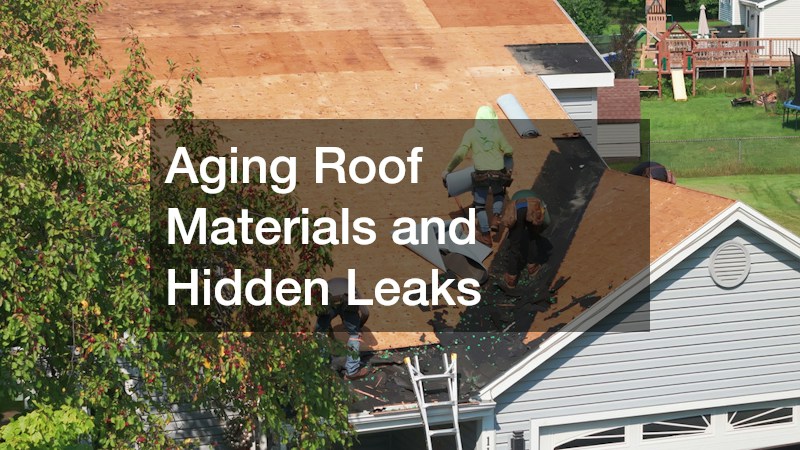
The roof is one of the most visible parts of a home, yet the real damage often happens where you cannot see it, underneath shingles, around flashing, and inside the decking. Moisture can seep in slowly over months, rotting wood and growing mold long before a ceiling stain appears. By the time a homeowner notices discoloration indoors, the leak may have been active for a year or more. Flashing around chimneys, vents, and skylights is especially vulnerable, since these joints rely on sealant and metal strips that degrade with age and temperature swings. Asphalt shingles typically last 15 to 20 years, but extreme heat, poor attic ventilation, or improper installation can shorten that lifespan considerably. Curling edges, missing granules, and cracked caulking are early warning signs that the material is failing beneath the surface. Regular inspections, especially after storms, are the only reliable way to catch these problems early. A thorough check should include the attic, where stained insulation, damp rafters, or a musty smell can reveal leaks well before they reach living spaces. Many contractors recommend a professional inspection at least once a year, plus additional checks after hail, high winds, or heavy snow loads. Homeowners can also do a quick visual scan with binoculars from the ground, looking for sagging spots, dark streaks, or displaced shingles. Catching these issues within weeks rather than months can mean the difference between a simple patch job and a full deck replacement costing thousands of dollars.
Homeowners often wait until a leak is obvious, but by then water has usually traveled far beyond the original entry point, soaking insulation, sheathing, and even framing along the way. A stain the size of a dinner plate on your ceiling can mean several square feet of hidden damage above it. By the time you notice dripping, mold growth or wood rot may already be underway. Roofing materials also age at different rates depending on their type. Asphalt shingles typically last 20 to 25 years, but sun exposure, poor attic ventilation, and storm damage can shorten that lifespan considerably. Flashing around chimneys, vents, and skylights tends to fail earlier than the shingles themselves, since sealant breaks down faster than the metal it protects. Working with an affordable roofing company for a routine inspection twice a year, ideally in spring and fall, can catch loose shingles, cracked seals, or worn underlayment before they become structural issues. A trained inspector will also check for granule loss in gutters, soft spots on the decking, and signs of daylight coming through the attic, all of which point to trouble before a leak ever appears indoors. Catching these problems early is almost always cheaper than replacing an entire section of roofing later. A minor repair might cost a few hundred dollars, while delayed damage can turn into a multi-thousand-dollar project involving structural repairs, mold remediation, and full material replacement.
- Check attic spaces for dark stains, sagging wood, or a musty smell, especially after heavy rain
- Look for missing, curling, or cracked shingles after high winds or storms
- Inspect flashing around chimneys, skylights, and vents annually, since gaps here cause many roofing leaks
- Clean gutters regularly, at least twice a year, to prevent water backup under roofing
- Watch for granules collecting in gutters, a sign roofing materials are wearing thin
- Note any daylight visible through roof boards when inspecting from inside the attic
Sewer Line Cracks and Underground Blockages
Sewer lines run beneath your yard and often beneath your foundation, making them one of the most out-of-sight, out-of-mind systems in the entire property. Tree roots, ground shifting, and simple age can crack old clay or cast iron pipes over time. When this happens, sewage can back up into the home or leak slowly into the soil, creating problems that are expensive and unpleasant to fix.
In the past, fixing a damaged sewer line meant digging up the entire yard, destroying landscaping and driveways in the process. Today, trenchless sewer line repair allows a damaged pipe to be relined or replaced through small access points, avoiding the need to tear up the whole yard. This method is often faster, less disruptive, and in many cases more cost-effective than traditional excavation.
Soil Movement and Foundation Settling
Soil beneath a home is rarely static. It expands when wet, contracts when dry, and shifts with seasonal temperature changes, putting constant pressure on the foundation above it. Clay-heavy soils are especially prone to this cycle, sometimes swelling or shrinking enough to move a foundation by an inch or more over the course of a year. Poor drainage around the home often accelerates the problem. Gutters that dump water too close to the foundation, or grading that slopes toward the house instead of away from it, keep the soil in a constant state of flux rather than allowing it to settle evenly. Over years, this movement can cause cracks in walls or slabs, uneven floors, or doors and windows that no longer close properly. Small hairline cracks are usually cosmetic, but stair-step cracks in brick or gaps wider than a quarter-inch often signal deeper structural shifting that’s worth having evaluated. Left unaddressed, ongoing settlement can compromise load-bearing walls and lead to far costlier repairs down the road.
Poor drainage is one of the biggest contributors to soil-related foundation problems. Water pooling near the base of a home softens the soil unevenly, causing it to expand, contract, and shift in ways that gradually undermine what’s above it. Clay-heavy soils are especially prone to this cycle, swelling when saturated and shrinking as they dry, which puts repeated stress on a foundation over months and years. Grading is often the root cause. Ideally, the ground should slope away from the house at a rate of about 6 inches over the first 10 feet, directing water away rather than letting it collect against the foundation walls. Clogged gutters, disconnected downspouts, and flower beds that trap moisture against the siding can all quietly work against this natural drainage. Homeowners should watch for warning signs before the issue becomes structural. Hairline cracks in drywall, doors and windows that suddenly stick or won’t latch properly, and small gaps forming between walls and ceilings are all early indicators worth investigating. Outside, look for soil pulling away from the foundation, standing water after rain that takes more than a day to drain, or noticeable dips in the yard near the home’s perimeter — these are signs the ground is moving in ways that will eventually reach the structure itself.
- Hairline cracks in drywall near corners or doorways, especially diagonal cracks radiating from window and door frames
- Gaps appearing between walls and ceilings, often widening over several months rather than staying static
- Doors or windows that stick without an obvious cause, or that no longer latch properly even after adjusting hinges
- Visible tilting or unevenness in flooring, noticeable when a marble or ball placed on the floor rolls toward one side
- Cracks in exterior brick or block, particularly stair-step patterns along mortar joints
- Gaps forming between the house and attached structures like porches, garages, or chimneys
Driveway Base Erosion and Surface Cracking
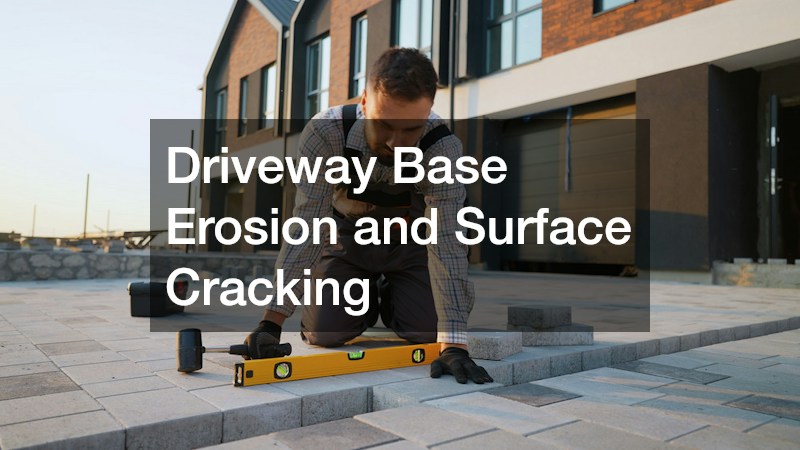
A driveway looks solid, but its strength depends almost entirely on the base layer beneath the surface, not the asphalt or concrete itself. When that base erodes due to water infiltration or poor initial compaction, the surface above begins to crack, sink, or develop potholes. This is a slow process, and by the time cracks are visible, the underlying damage is often already extensive.
Choosing the right professionals matters more than people expect when addressing this problem. Reputable paving companies will assess the base layer and drainage patterns before recommending a repair, rather than simply patching the surface. A proper fix addresses water flow around the driveway so the same erosion does not repeat within a year or two.
Hidden Water Intrusion in Walls and Crawl Spaces
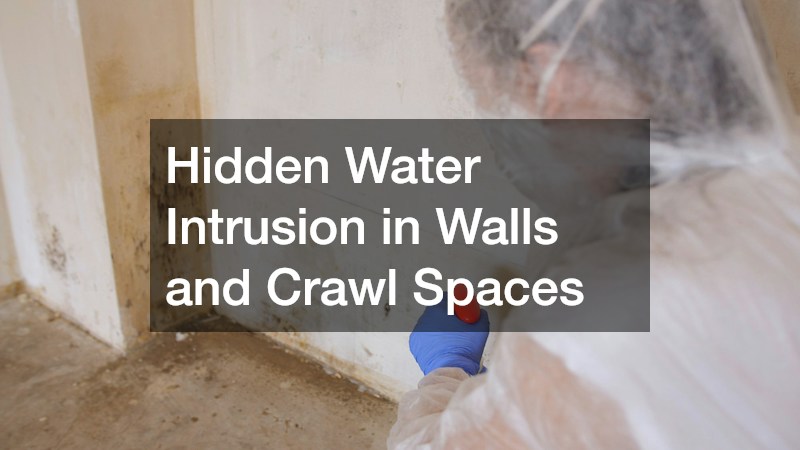
Water damage rarely announces itself immediately. It can travel along wood framing, insulation, and subflooring for weeks or even months before a visible stain, warped floor, or musty odor gives it away. A slow roof flashing leak or a hairline crack in the foundation can quietly wick moisture into wall cavities long before anyone notices a problem. Crawl spaces are especially vulnerable because they’re rarely inspected and naturally trap humidity. Poor grading, clogged gutters, or a missing vapor barrier can keep the soil beneath a home consistently damp, creating conditions where wood rot and mold take hold unnoticed. Termites and other wood-destroying insects are also drawn to this moisture, compounding the damage before it’s ever seen. By the time symptoms are noticeable, mold growth and structural weakening may already be underway. Mold colonies can begin forming within 24 to 48 hours of sustained moisture exposure, while framing lumber can lose significant load-bearing strength after prolonged saturation. What looks like a small cosmetic stain on drywall or a slightly springy floorboard is often just the visible tip of a much larger, months-long problem hidden inside the walls or beneath the house.
Because this kind of damage is progressive, professional assessment is important rather than relying on guesswork. What starts as a barely noticeable stain or musty odor can, within weeks, spread into framing and insulation, so timing matters as much as the diagnosis itself. Many water damage companies use moisture meters and thermal imaging cameras to find intrusion points that are completely invisible to the naked eye. Pin-type meters measure moisture content directly inside drywall or wood, while thermal imaging reveals temperature differences that indicate dampness behind finished surfaces without any drilling or demolition. Some technicians also use borescopes to inspect inside wall cavities and crawl space framing, giving a clearer picture of how far moisture has traveled. These tools matter because surface-level inspections often miss the real story. A wall that looks dry to the touch can still register 25-30% moisture content deep in the studs, a level well above the 15-20% threshold where mold growth becomes likely. Crawl spaces are especially deceptive, since poor ventilation and ground contact can trap humidity for months without any visible sign at the floor level above. Acting quickly after any flooding, leak, or high humidity event can prevent a small issue from becoming a major renovation. Industry guidance generally recommends addressing standing water or saturated materials within 24 to 48 hours to limit mold colonization, meaning even a short delay in getting a professional assessment can turn a simple drying job into a full remediation project.
- Peeling paint or bubbling wallpaper near baseboards, often 6-12 inches up from the floor where moisture wicks upward
- A persistent musty smell in enclosed spaces, especially closets, cabinets, or rooms that back up to exterior walls
- Soft or spongy flooring in bathrooms and kitchens, a sign that subfloor material has begun to rot from below
- Visible mold spots in crawl spaces or basements, particularly on floor joists, insulation, or the underside of subflooring
- Rust or corrosion on metal fasteners, HVAC ductwork, or plumbing brackets in crawl spaces
- Warped or cupped wood flooring near exterior walls or plumbing lines, indicating moisture absorption from underneath
- Condensation or dampness on crawl space vapor barriers, which suggests groundwater intrusion or poor ventilation
Aging Pipes and Corrosion Behind the Walls
Plumbing systems are almost entirely hidden, which means corrosion, small leaks, and pressure problems can develop for years without detection. Older homes with galvanized steel or early copper piping are especially prone to internal corrosion that narrows pipes and reduces water flow over time. This kind of decay is not something a homeowner can typically see or diagnose without professional tools.
Bringing in licensed plumbing contractors for a periodic inspection is one of the few ways to catch corrosion or hidden leaks before they cause a burst pipe. These professionals can use camera inspections and pressure testing to evaluate pipe condition without opening up walls. Addressing minor corrosion early is far less invasive and costly than repairing water damage after a major pipe failure.
Root Systems and Underground Drainage Conflicts
Landscaping does more than improve curb appeal, it directly affects how water moves around and under a property. Poorly placed trees, overly compacted soil, or improperly graded lawns can direct water toward the foundation instead of away from it. Root systems from large trees can also grow into underground pipes, causing blockages or cracks over time.
A knowledgeable landscaping service can design planting layouts and grading solutions that work with your property’s natural drainage rather than against it. This includes selecting tree species with less invasive root systems and creating swales or French drains where needed. Thoughtful landscaping is a preventative measure that protects both your yard and the structures beneath it.
Kitchen and Bathroom Surface Wear That Signals Bigger Issues
While countertops seem like a purely cosmetic feature, they can actually reveal problems happening underneath cabinets and behind walls. Warping, staining, or lifting at the seams often points to slow moisture intrusion from a leaking pipe or improperly sealed sink area. Ignoring these signs can allow water damage to spread into cabinetry and subflooring.
When replacing or repairing countertops, it is worth having the installer check the surrounding plumbing connections and cabinet base for any signs of moisture. This simple step can catch a small leak before it becomes a much larger and more expensive repair. Addressing both the surface and the systems beneath it ensures the fix actually lasts.
Property Boundaries and Underground Utility Awareness
Many homeowners do not realize how many utility lines, drainage pipes, and cables run along their property boundaries, often near where fences are installed. Digging without checking these lines first can lead to costly repairs and safety hazards. This is one of the most overlooked risks in home improvement projects involving the yard.
A professional fence company will typically call for utility locates before digging post holes, protecting both the property and the surrounding infrastructure. This step also helps identify old drainage lines or septic components that may not appear on current property surveys. Taking time to understand what lies beneath your property boundary prevents expensive mistakes during installation.
Septic System Age and Soil Absorption Limits
Septic systems rely on a delicate balance between the tank, the drain field, and the surrounding soil’s ability to absorb wastewater. Over time, soil compaction, root intrusion, or simply system age can reduce this absorption capacity, leading to backups or standing water in the yard. These problems often develop underground long before they become noticeable at the surface.
When an existing system fails beyond repair, proper septic tank installation requires a thorough soil evaluation to ensure the new system will function correctly for years to come. Skipping this step can lead to repeated failures and costly repairs down the line. Homeowners should also schedule regular pumping and inspections to extend the life of the system and avoid emergency replacements.
The most damaging problems a property faces are rarely the ones you can see right away. From roofing and sewer lines to septic systems and underground utilities, the systems beneath the surface deserve just as much attention as the visible parts of your home. Scheduling regular inspections and addressing small warning signs early is the most reliable way to protect your investment. Taking a proactive approach today can save significant time, money, and stress down the road.
