

A small leak, a rattling furnace, or a few missing roof shingles rarely feel urgent when life is busy and budgets are tight. But small problems left unattended almost always grow into bigger, costlier ones, and the longer you wait, the fewer options you have. This article breaks down what really happens when common home repairs get pushed to next month, or next year, and why acting early usually saves both money and stress. Understanding these hidden costs can help you prioritize what actually needs attention now.
Aging Roofs and Clogged Gutters
A roof that is missing shingles or showing signs of wear does not stay a cosmetic issue for long. Water finds its way into small gaps and travels along rafters and insulation, often causing damage that is invisible until it reaches your ceiling. By the time you see a stain indoors, the underlying structure may have been wet for months, inviting mold and rot. Clogged gutters make the problem worse by forcing water to pool at the roofline instead of draining away.
That standing water seeps under shingles, rots fascia boards, and can even work its way into the attic. Over time, the added weight of waterlogged leaves and debris can pull gutters away from the house entirely, leading to a repair bill far larger than a simple cleaning would have cost. The financial gap between prevention and repair is significant.

A routine roof inspection typically runs $150 to $300, while a full roof replacement after water damage can climb past $10,000 depending on the size and materials of your home. Gutter cleaning twice a year costs a fraction of what it takes to repair rotted fascia, soffits, or a compromised foundation from overflow. Beyond the structural concerns, trapped moisture creates ideal conditions for mold colonies that can spread through insulation and drywall within 24 to 48 hours of sustained exposure. This is not just a repair issue but a health one, since mold spores can trigger respiratory problems for occupants. What starts as a small, affordable fix can quietly snowball into one of the most expensive repairs a homeowner will ever face.
Gutters play a bigger role in this process than most homeowners realize. When they are clogged with leaves, twigs, and granules shed from aging shingles, water overflows the sides instead of channeling through the downspouts and away from the house. That overflow pools near the foundation, and over time it can seep into basements, erode landscaping, and even contribute to cracks in the foundation walls. A missing shingle or a small tear in the roofline can be just as damaging, since it allows water to seep beneath the surface and travel along the decking long before a homeowner ever notices a leak indoors.
By the time a stain appears on the ceiling, moisture may have already been soaking into the sheathing for weeks or months. Bringing in roofing and gutter contractors for a seasonal inspection, ideally in spring and fall, is far less expensive than replacing sheathing, insulation, or drywall after months of hidden water intrusion. A typical gutter cleaning and inspection might cost $150 to $300, while repairing water-damaged framing or insulation can easily run into the thousands.
Contractors can also spot early warning signs homeowners tend to miss, such as sagging gutter sections, granule buildup at downspout outlets, or soft spots on the roof deck. Catching these issues early keeps repair costs contained and protects the structural integrity of the home for years to come.
- Missing or curling shingles allow water to seep beneath the roofline, rotting the wood decking underneath and creating a costly repair that started as a $20 shingle fix
- Clogged gutters cause overflow that damages siding and fascia boards, often leading to wood rot that requires full board replacement rather than a simple cleaning
- Standing water near the foundation can lead to basement seepage, cracked concrete, and even long-term structural settling if left unaddressed for multiple seasons
- Small roof leaks often go unnoticed until interior damage appears, since water can travel along rafters before staining a ceiling far from the actual entry point
- Granule loss on shingles is an early warning sign, visible as gritty buildup in gutters, signaling reduced UV protection and shortened roof lifespan
- Ice dams in colder climates form when clogged gutters trap melting snow, forcing water backward under shingles and into attic insulation
Water Heaters Nearing the End of Their Lifespan
Most water heaters last between eight and twelve years, and many homeowners keep using them well past that point simply because they still produce hot water. What is not visible is the corrosion building up inside the tank, which can eventually lead to a sudden rupture. A failed unit can release dozens of gallons of water in minutes, damaging flooring, drywall, and anything stored nearby.
Planning ahead for water heater replacement is far cheaper than dealing with the aftermath of a burst tank. A proactive swap, especially once a unit shows signs like rust-colored water, unusual noises, or inconsistent temperatures, costs a predictable amount and can often improve energy efficiency too. Waiting for a total failure turns a manageable expense into an emergency cleanup bill.
- Rusty or discolored hot water often signals internal tank corrosion
- Popping or rumbling sounds indicate sediment buildup inside the tank
- Units older than ten years are at higher risk of sudden failure
- Replacing before failure avoids emergency water damage costs
Plumbing Leaks That Start Small and Grow Fast
A slow drip under the sink or a faint hissing sound behind a wall rarely seems worth an urgent call. Yet plumbing systems operate under constant pressure, and small leaks tend to worsen steadily rather than staying the same. A pinhole leak that releases just a cup of water per hour can add up to more than 14 gallons a day, and that number only climbs as pipe corrosion or a failing joint gets worse.
Left unresolved, they can rot cabinetry, warp flooring, and create the damp conditions mold needs to thrive. Mold can take hold within 24 to 48 hours of sustained moisture exposure, often growing inside walls or under subflooring where it goes unnoticed until the damage is extensive. By the time discoloration or a musty smell becomes obvious, remediation may require tearing out drywall, insulation, and flooring rather than a simple patch. The financial gap between early and late intervention is stark.

Replacing a worn washer or fitting typically costs a small service fee, while repairing water-damaged subflooring, cabinetry, and drywall can run into thousands of dollars once mold testing and remediation are factored in. Homeowners’ insurance often complicates matters further, since many policies exclude damage attributed to long-term neglect rather than sudden, accidental leaks.
There is a difference between a leak that can wait for a scheduled appointment and one that demands immediate attention. A slow drip under the bathroom sink might be fine until next week, but a burst pipe, a water heater actively leaking onto the floor, or a supply line that has come loose behind the washing machine can flood a room in minutes. In those situations, calling an emergency plumber right away can prevent thousands of dollars in structural damage to floors, subfloors, drywall, and even the foundation.
A single undetected pipe leak can waste over 10,000 gallons of water a year, and when that water is pooling indoors instead of draining away, the real cost is not just the utility bill. Standing water can warp hardwood floors within 24 to 48 hours, and drywall that stays wet for more than a day or two often needs to be cut out entirely to stop mold from spreading into the wall cavity.
Homeowners should also watch for warning signs that a small leak is turning into a bigger problem: a spike in the water bill, a musty smell in a closet or basement, discolored ceiling tiles, or a water meter that keeps ticking even when every faucet is off. Catching these clues early can mean the difference between a simple repair and a full remediation project. Knowing which situations qualify as true emergencies helps homeowners act quickly instead of hesitating while damage spreads. As a general rule, anything involving active flooding, gas-powered water heaters, or water near electrical outlets and panels should trigger an immediate call rather than a wait-and-see approach.
- Dripping under sinks often indicates a worn washer or loose fitting — left unfixed, it can rot cabinet floors and invite mold within weeks
- Water stains on ceilings usually mean an active leak above, and by the time they appear, insulation and drywall may already be soaked
- Sudden spikes in the water bill (20% or more with no change in usage) can point to a hidden pipe leak inside walls or under slabs
- A running toilet or faint hissing near pipes can signal a slow leak that wastes hundreds of gallons before it’s ever noticed
- Musty odors in bathrooms or basements often mean moisture is trapped behind walls, even without visible water
- Standing water or flooding requires immediate professional response to prevent structural damage and electrical hazards
- Ignoring small leaks for months can turn a $150 repair into a $5,000+ mold remediation or subfloor replacement job
Outdoor Living Structures That Need Regular Attention
Wooden decks and patios take a beating from sun, rain, and temperature swings throughout the year. Boards that feel soft, nails that have popped up, or railings that wobble are signs that the structure is weakening, not just aging cosmetically. Ignoring these warning signs increases the risk of a collapse that could injure someone using the space.
Routine maintenance like resealing and replacing damaged boards extends the life of a deck considerably, but there comes a point where professional evaluation is necessary. Experienced deck builders can identify structural issues that are not obvious to an untrained eye, such as weakened ledger boards or compromised footings. Addressing these problems early is far less expensive than a full rebuild after years of neglect.
- Soft or spongy boards indicate wood rot beneath the surface
- Loose railings or stairs are a common safety hazard
- Rust on fasteners suggests moisture has penetrated the wood
- Annual inspections catch structural issues before they worsen
Kitchen Surfaces That Wear Down Over Time
Countertops endure daily abuse from knives, hot pans, and spills, and cheaper materials can crack, stain, or warp faster than homeowners expect. Once damage sets in, it often affects the surrounding cabinetry and can make the kitchen feel outdated or poorly maintained. Waiting too long to address a failing countertop can also mean living with an unsanitary surface if cracks harbor bacteria.
Many homeowners eventually choose granite countertops when replacing worn surfaces because the material resists heat, scratching, and staining far better than laminate alternatives. While the upfront cost is higher, a durable countertop reduces the frequency of replacement and helps maintain the home’s overall value. Delaying a needed replacement rarely saves money once you factor in the cost of repairing surrounding damage caused by a failing surface.
- Cracks and chips can trap bacteria and moisture over time
- Heat damage from pots and pans weakens certain countertop materials
- Stained or etched surfaces are difficult to fully restore
- Upgrading to more durable materials reduces long-term replacement costs
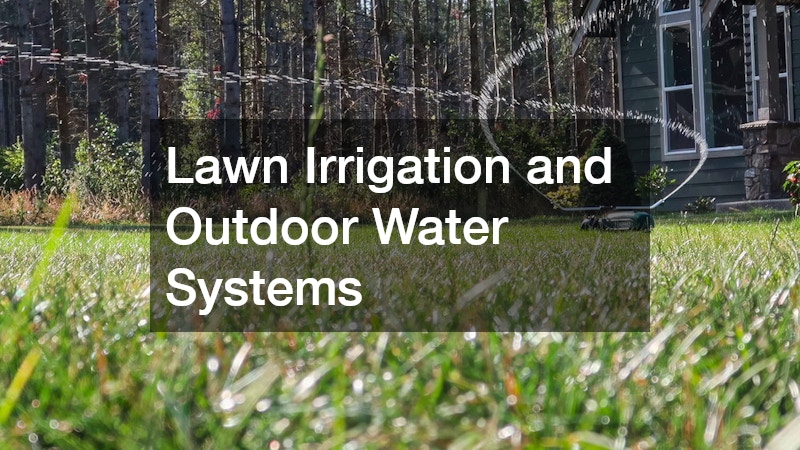
Lawn Irrigation and Outdoor Water Systems
An underground sprinkler system that is not properly maintained can waste significant amounts of water without the homeowner noticing right away. Broken sprinkler heads, cracked pipes, or a malfunctioning controller can lead to overwatering in some areas and dry patches in others. Over time, this uneven watering stresses the lawn and landscaping, leading to costly replanting.
Regular checkups on irrigation systems catch small issues, like a stuck valve or a leaking connection, before they turn into major water waste or yard damage. A system that runs efficiently also helps keep water bills predictable throughout the growing season. Homeowners who skip these checkups often end up paying for both wasted water and the landscaping repairs needed after months of poor coverage.
- Cracked or broken sprinkler heads waste water and reduce coverage
- Uneven or soggy patches often signal a leak in the system
- Outdated controllers may not adjust properly for seasonal weather
- Annual system checkups help prevent costly landscaping damage
Whole Home Projects Best Left to Licensed Professionals
Some repairs touch multiple systems at once, like a bathroom remodel that involves plumbing, electrical work, and structural changes to walls. Attempting to manage these projects piecemeal, or hiring unlicensed help to save money, often leads to code violations and work that needs to be redone. Coordinating these moving parts requires experience most homeowners simply do not have.
Bringing in general contractors for larger projects ensures that permits are pulled correctly, subcontractors are scheduled efficiently, and the finished work meets local building codes. This oversight protects homeowners from the hidden costs of failed inspections or work that has to be torn out and redone. While hiring a contractor adds to the upfront project cost, it often prevents far more expensive mistakes down the line.
- Multi-system projects benefit from centralized project management
- Licensed oversight helps ensure work passes required inspections
- Proper permitting protects homeowners during future resale
- Coordinated scheduling reduces delays between trades
Delaying home repairs rarely makes them disappear; it usually just gives the underlying problem more time to spread and get more expensive to fix. Whether it is a roof that needs attention, a water heater on its last leg, or a deck that is no longer safe to stand on, addressing issues early protects both your home’s value and your wallet. Start by walking through your own home with this list in mind, noting anything that matches the warning signs described above. Then reach out to the right professional for each issue before a minor repair turns into a major renovation.
