

Juggling more than one home improvement project at a time can quickly turn exciting plans into a scheduling nightmare. Between coordinating deliveries, managing multiple crews, and keeping your household functioning, it is easy to feel buried before the first hammer swings. The good news is that with the right sequencing and a realistic understanding of how projects overlap, you can tackle several upgrades without losing your sanity or your budget. This guide walks through how to prioritize, sequence, and staff your projects so your timeline stays manageable from start to finish.
Prioritize Projects by Urgency and Impact on Daily Life
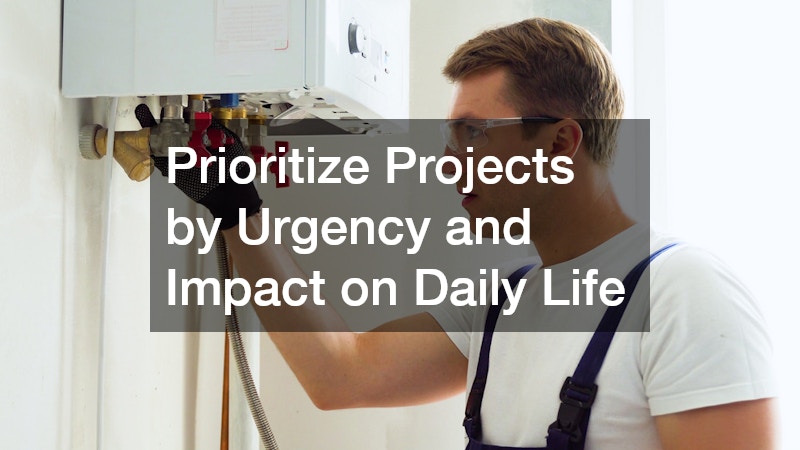
Before you schedule anything, sort your project list into categories based on how urgently each one needs attention. A simple three-tier system works well: emergency repairs, functional upgrades, and cosmetic improvements. Some jobs are cosmetic and can wait, while others affect safety, comfort, or the basic functioning of your home. Emergency repairs top the list — think a leaking roof, faulty wiring, or a water heater on its last leg. These issues tend to get worse and more expensive the longer they sit, and they often pose real safety risks to your household. Functional upgrades come next: an outdated HVAC system, a kitchen with too little storage, or a bathroom with poor ventilation. These projects don’t demand immediate action, but they chip away at your daily comfort and convenience until you address them. Cosmetic improvements, like repainting a room or swapping out light fixtures, belong at the bottom of the urgency scale. They matter for enjoyment and resale value, but they can be pushed back a few months without any real consequence. A broken system that disrupts daily routines should always jump ahead of a project that is purely aesthetic. When two projects seem equally urgent, ask which one affects the most people in your household or carries the highest risk of damage if ignored — that answer usually reveals the true priority.
Not all projects deserve equal placement on your calendar. A useful way to sort them is by asking two questions: how urgent is the problem, and how much does it affect daily life if left unaddressed? Projects that score high on both should move to the top of your list, regardless of how visually appealing the alternatives might be. A good example is a failing water heater. If your household is dealing with cold showers, rusty water, or strange noises from the tank, scheduling water heater repair should take precedence over a kitchen backsplash refresh or a landscaping upgrade. The same logic applies to a leaking roof, a malfunctioning HVAC system, or electrical issues that trip breakers regularly — these affect comfort, safety, and can escalate into far costlier repairs if ignored for even a few weeks. Cosmetic or lifestyle upgrades, by contrast, can usually wait without causing further damage. A backsplash, a fresh coat of paint, or a landscaping redesign will look just as good scheduled for next month as it would today. Ranking projects this way helps you avoid the common mistake of starting the fun, visible projects first while neglecting the ones that keep your home running smoothly. A simple scoring system can make this easier: rate each project from 1 to 5 on urgency and 1 to 5 on daily-life impact, then tackle anything scoring 8 or higher first. This turns a gut feeling into a repeatable process you can apply every time a new project lands on your radar.
- List every project you are considering, then label each as urgent, important, or optional
- Urgent means safety hazards or active damage, like a leaking roof, faulty wiring, or a cracked foundation
- Important covers projects that affect daily comfort or function, such as a broken HVAC system or an outdated kitchen layout
- Optional includes cosmetic upgrades like repainting, landscaping, or swapping out light fixtures
- Move safety and functionality issues to the top of your schedule, even if they’re less exciting than a remodel
- Get quotes or inspections early on urgent items so you know the true cost and timeline before committing to other work
- Save purely cosmetic upgrades for when your calendar and budget have more breathing room
- Reassess your list every few months, since new issues like storm damage or aging appliances can shift priorities overnight
Sequence Structural and Exterior Work Before Cosmetic Upgrades

Exterior and structural projects tend to have ripple effects on everything that comes after them, so they generally belong earlier in your timeline. If you are replacing siding, repairing a foundation, or addressing drainage issues, it makes sense to finish that work before investing in interior finishes that could be damaged by ongoing construction. This sequencing also prevents you from paying twice when a later project has to undo or work around an earlier one.
Roofing is a prime example of a job that should be scheduled near the beginning of any multi-project plan. Bringing in roofing contractors early protects the rest of your home from water intrusion that could otherwise ruin new paint, flooring, or insulation installed afterward. Getting the roof squared away first gives every subsequent project a stable, protected foundation to build on.
- Address roof, foundation, and siding issues before interior remodeling
- Confirm exterior work is complete before scheduling paint or drywall projects
- Ask contractors about weather windows that could delay exterior sequencing
- Build in a buffer week between exterior and interior phases
Coordinate Outdoor Living Additions With Seasonal Timing
Outdoor projects like pools, patios, and decks are heavily influenced by weather and seasonal demand, so they require earlier planning than most homeowners expect. Many pool builders book their calendars months in advance, especially heading into spring and summer, which means waiting until the weather warms up to make a call can push your project back an entire season. Planning ahead also gives you more flexibility to negotiate timelines and avoid rush pricing.
If a pool or other major outdoor addition is part of your overall plan, treat it as an anchor project around which other work is scheduled. Excavation and heavy equipment access can disrupt landscaping, fencing, or driveway work, so it is smart to finish those disruptive phases before finishing touches like garden beds or walkways.
- Reach out to outdoor contractors at least one season before you want work to start
- Schedule excavation-heavy projects before finishing landscaping details
- Confirm permit timelines, since outdoor structures often require inspections
- Avoid scheduling interior renovations during peak outdoor construction weeks
Plan Mechanical System Repairs Around Everyday Reliability
Mechanical systems like plumbing, electrical, and water delivery components rarely give much warning before they fail, which makes them tricky to fit into a project calendar. Rather than waiting for a breakdown, it helps to have these systems inspected before you commit to a busy renovation season. A well pump or supply line nearing the end of its lifespan is far easier to manage on your own schedule than during an emergency.
For homes relying on well systems, a water pump replacement is one of those projects that can derail an otherwise organized timeline if it fails unexpectedly. Scheduling an inspection before starting other work gives you the chance to replace an aging pump proactively, rather than pausing every other project to deal with a sudden loss of water pressure.
- Have aging mechanical systems inspected before starting a renovation season
- Ask contractors for an estimated remaining lifespan on major components
- Budget a contingency fund for unexpected mechanical failures
- Prioritize systems that affect water, heat, or electricity if signs of wear appear
Group Window and Door Treatments Into a Single Phase

Windows, doors, and their surrounding hardware are natural candidates for batching together, since they often involve similar measurements, materials, and installation crews. Rather than replacing a few windows this year and tackling shutters or trim next year, grouping these elements into one phase can save on labor costs and reduce the number of times your home is disrupted by installation crews.
Adding or replacing a shutter is a relatively small task on its own, but it pairs efficiently with larger window and door projects since the crew is already on site with the right tools and materials. Bundling smaller exterior details with bigger installations is one of the simplest ways to trim both time and cost from your overall project list.
- Combine window replacement with related trim, shutter, or hardware updates
- Ask installers if bundling smaller jobs reduces overall labor charges
- Order matching materials together to avoid mismatched finishes later
- Schedule these projects during mild weather to keep your home comfortable
Schedule Decorative Metalwork Alongside Related Renovations
Decorative and structural metal elements, such as railings, gates, and fencing, are often overlooked until late in a renovation, even though they frequently connect to other ongoing work. If you are redoing a staircase, porch, or balcony, it makes sense to plan any metal upgrades at the same time rather than revisiting the area again later.
Custom iron railings, for instance, are frequently installed after major structural work is finished but before final painting or landscaping begins, since the installation process can involve drilling, welding, or minor surface repairs. Timing this work correctly avoids damaging freshly finished surfaces and ensures the railing height and spacing comply with any code requirements uncovered during your renovation.
- Measure and order custom metalwork early, since fabrication can take several weeks
- Schedule installation after structural work but before final finishing touches
- Confirm local code requirements for railing height and spacing
- Coordinate metalwork color or finish with other exterior updates
Bring in Design Expertise Before Committing to Multiple Projects

When you are managing several projects at once, having a unified vision helps prevent mismatched materials, awkward transitions between rooms, and wasted spending on choices that do not hold up over time. This is where working with interior designers early in the process pays off, since they can help you map out a cohesive plan across multiple rooms or phases rather than making isolated decisions project by project.
A designer can also help you sequence purchases so that big-ticket items like flooring, cabinetry, and lighting are ordered with enough lead time to avoid delays. This kind of coordinated planning is especially valuable when multiple contractors are involved, since everyone benefits from working off the same overall design direction.
- Share your full project list with a designer, not just the current phase
- Ask for a materials and finishes plan that spans multiple rooms
- Confirm lead times for special-order items before finalizing your schedule
- Use design consultations to catch conflicts between projects early
Bring in Design Professionals for Projects Requiring Structural Changes
Any project that involves moving walls, adding square footage, or altering the structural layout of your home benefits from professional input long before construction begins. Bringing in architects during the planning phase helps you avoid costly surprises, since they can identify load-bearing walls, plumbing paths, and code requirements that might otherwise be discovered mid-project.
Involving an architect early also helps with permitting timelines, which are often one of the biggest sources of delay in multi-project planning. Getting drawings finalized and submitted for approval while other, smaller projects are underway keeps your overall schedule moving instead of sitting idle waiting on paperwork.
- Consult an architect before finalizing budgets for structural changes
- Submit permit applications as early as possible to avoid schedule gaps
- Ask about phased construction if a full renovation cannot happen at once
- Confirm structural plans align with any planned additions like decks or pools
Address Security Upgrades While Other Work Is Underway
Home security improvements are easy to postpone indefinitely, but they are actually some of the simplest projects to fold into a busier renovation schedule. If contractors are already replacing doors, windows, or entry points, it is efficient to bring in a locksmith company at the same time to rekey locks, upgrade deadbolts, or install smart lock systems.
Handling security updates during an active renovation phase also reduces the number of separate service calls to your home, which can add up when multiple projects are already in progress. It is a small addition to your schedule that closes a common gap left by larger renovation work.
- Rekey or replace locks whenever entry doors are being installed or replaced
- Ask about smart lock compatibility if you are upgrading other home technology
- Schedule security updates before move-in day if you are renovating a rental property
- Keep a record of all key copies given out during construction
Maintain Seasonal Upkeep While Larger Projects Are in Progress
It is easy to let routine maintenance slide when your attention is focused on bigger renovation projects, but neglecting seasonal upkeep can create new problems on top of the ones you are already managing. Gutter cleaning, HVAC servicing, and other recurring tasks still need attention even while contractors are working elsewhere on the property.
In colder climates, arranging snow removal ahead of winter is particularly important if you have ongoing outdoor construction, since piled snow can block contractor access or hide hazards like exposed footings and equipment. Keeping these routine services on schedule protects both your property and the timeline of any active projects.
- Keep a maintenance calendar separate from your renovation project list
- Schedule seasonal services early so they do not compete with contractor availability
- Clear safe access paths for crews during winter months
- Communicate ongoing construction plans to seasonal service providers
Managing multiple home improvement projects does not have to mean constant stress or a chaotic calendar. By prioritizing urgent repairs, sequencing structural work before cosmetic updates, and looping in the right professionals at the right stages, you can keep your timeline realistic and your household functional throughout the process. Start by mapping out every project you are considering, then work backward from seasonal deadlines and lead times to build a schedule that actually fits your life. A little upfront planning now will save you significant time, money, and frustration down the road.
