
A cracked window, a slow drain, or a noisy air conditioner can trigger the same panicked question: do you fix it or replace it entirely? The answer isn’t always obvious, and guessing wrong can cost you thousands of dollars or leave you with a problem that resurfaces in a year. This guide walks through the most common household systems and components, helping you figure out which ones are worth repairing and which ones have reached the end of the road. Use it as a starting point before you call anyone out to your home.
Evaluating Your Air Conditioning System’s True Age
Central air conditioners typically last between 12 and 15 years, but that lifespan shrinks considerably if the unit hasn’t been serviced regularly. If your system is under a decade old and the issue is a single failed part, like a capacitor or a blower motor, a repair almost always makes more financial sense than starting over. Once you’re facing a failed compressor or a refrigerant leak in an older unit, though, the math starts to shift dramatically.
A good rule of thumb is the five-thousand-dollar rule: multiply the age of the unit by the estimated repair cost, and if that number exceeds five thousand, replacement usually wins. New AC installation also brings efficiency gains that can meaningfully lower your energy bills, especially if your current system predates modern SEER standards. Getting a couple of quotes before committing either way will give you a clearer sense of what’s actually reasonable for your home’s size and layout.
- Repair if the unit is under 10 years old and the issue is isolated to one part
- Replace if you’re paying for the second major repair within two years
- Factor in refrigerant type, since older R-22 systems are becoming costly to service
- Ask about efficiency ratings when comparing new installation quotes
Diagnosing Slow or Backed-Up Drains Before Calling a Plumber

Not every clogged drain requires professional intervention, but persistent backups, gurgling sounds, or water pooling near floor drains often signal something deeper than a hair clog. In many cases, targeted drain repair can clear tree roots, mineral buildup, or old pipe damage without the need to tear out and replace entire sections of plumbing. Camera inspections have made this diagnostic process much more precise, so a plumber can usually tell you within an hour whether you’re looking at a quick fix or a bigger structural issue.
The exception is homes with older galvanized or cast iron piping, where corrosion has narrowed the interior of the pipe over decades. In those situations, repeated repairs become a losing battle, and repiping sections of the home ends up being the more economical long-term choice. If your drains clog more than once every few months despite cleaning, it’s worth getting an inspection rather than continuing to patch the same recurring problem.
Assessing Roof Damage After a Storm or Over Time
Roofs rarely fail all at once, which is exactly why so many homeowners end up confused about whether a few missing shingles mean it’s time for a full replacement. A qualified roofing contractor can usually tell within a single visit whether the damage is isolated or a sign of widespread wear across the entire surface. Localized leaks, damaged flashing, and a handful of missing shingles are typically repairable, especially on a roof that’s less than 15 years old.
Widespread granule loss, sagging decking, or damage that spans multiple sections of the roof are different stories entirely. If your roof is nearing the end of its expected lifespan and has taken storm damage on top of that, patching it repeatedly can end up costing more than a full replacement over a five-year span. Getting a written estimate that separates repair costs from full replacement costs will help you see which option actually saves you money over time.
- Isolated leaks and missing shingles are usually a repair, not a replacement
- Sagging rooflines or soft spots in decking are signs of structural failure
- Granule loss across large areas signals the shingles are wearing out uniformly
- Storm damage on an aging roof often accelerates the need for full replacement
Deciding on Water Heater Repair Versus Full Replacement
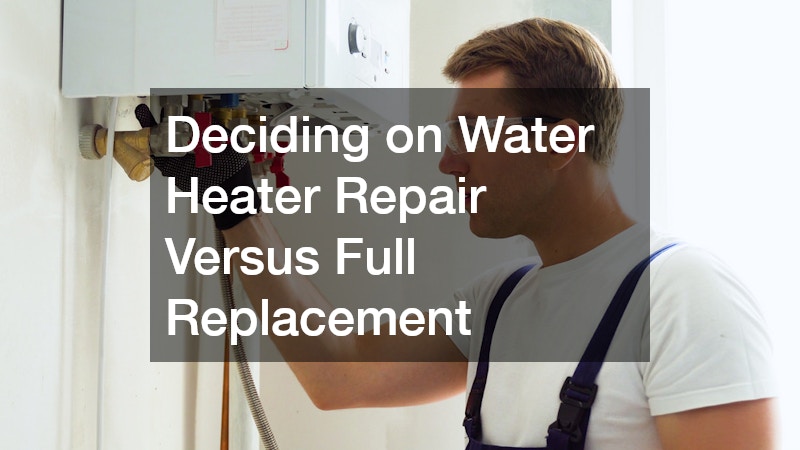
Tank water heaters generally last 8 to 12 years, and the symptoms of aging are usually easy to spot: rusty water, inconsistent temperatures, or a tank that makes rumbling noises as sediment builds up. A faulty heating element or thermostat is a straightforward fix and doesn’t necessarily mean the whole unit is failing. But if the tank itself is leaking, that’s corrosion from the inside out, and no repair can reverse that kind of damage.
Water heater replacement becomes the clear choice once a unit is past the ten-year mark, since the cost of repeated repairs starts to rival the price of a new, more efficient model. Tankless systems have also become a popular upgrade for homeowners replacing an aging tank, offering on-demand hot water and a longer expected lifespan. If you’re on the fence, ask a technician to check the anode rod first, since replacing that inexpensive part can sometimes buy a tank several more years of service.
Repairing Cracked or Fogged Window Glass
A single cracked pane or a window that’s fogged up between the layers doesn’t necessarily mean the whole window unit needs to go. In most cases, glass repair can address a broken seal, a hairline crack, or even a full pane replacement while keeping the existing frame intact. This is usually far less expensive than replacing the entire window, and it works well for double-pane and triple-pane units that are otherwise in good condition.
The calculation changes when the frame itself is warped, rotted, or no longer sealing properly against drafts. At that point, you’re not just paying to fix glass, you’re paying to fix a frame that will likely need attention again soon anyway. If your windows are original to a home built more than 20 years ago, it’s worth getting a broader energy assessment before investing in glass work alone.
Keeping or Replacing Existing Countertop Surfaces

Kitchen countertops take a beating, but not every chip, stain, or scratch calls for a full teardown. Small chips and dull spots in natural stone can often be professionally polished and resealed, restoring much of the original shine without the disruption of a full kitchen renovation. Granite countertops in particular tend to hold up remarkably well over decades when properly sealed once a year, so surface-level damage is rarely a reason to start over.
Cracks that run through the slab, however, are a different matter, since they tend to widen over time and can compromise the stability of the surface near sinks or cooktops. If you’re noticing multiple cracks or if the existing surface no longer matches your kitchen’s layout after a remodel, replacement becomes the more practical long-term investment. Either way, get a stone specialist to look at the slab before assuming a small flaw means the whole counter is compromised.
Repairing Torn or Aging Outdoor Enclosure Screening
Screened patios and porches take on a lot of wear from sun exposure, storms, and general use, but the underlying frame usually outlasts the screen material itself. If you’re dealing with a few torn panels or a section that’s come loose from the track, rescreening is a quick and affordable fix that doesn’t require touching the structure. An outdoor screen enclosure with a solid aluminum frame can often be rescreened multiple times over its life without ever needing structural replacement.
Where it gets more complicated is when the frame has started to rust, bend, or pull away from its foundation posts, since that points to a structural issue rather than a cosmetic one. Screens that have gone brittle and yellowed across every panel, not just one or two, are also a sign that a full rescreen makes more sense than patching individual sections. A quick inspection of the frame’s corners and support beams will tell you whether you’re dealing with a simple screen swap or a bigger project.
Weighing Insulation Upgrades Against a Full Overhaul
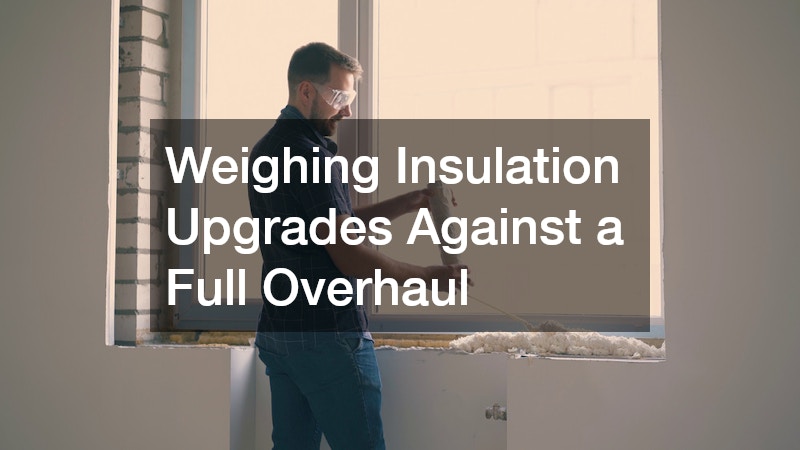
Uneven temperatures between rooms, high energy bills, and drafty walls are often blamed on windows or HVAC systems, when the real culprit is insufficient insulation. In many older homes, a professional insulation service can simply add material to existing attic or wall cavities without removing what’s already there, which keeps costs down considerably. This works especially well in attics, where blown-in insulation can be added on top of existing material in a single afternoon.
Full removal and replacement becomes necessary when existing insulation has been damaged by moisture, pests, or mold, since adding new material on top of a contaminated layer won’t solve the underlying problem. It’s also worth reconsidering older insulation types that have since been found to underperform compared to modern materials. A home energy audit is a useful first step, since it will show exactly where heat is escaping before you decide between topping off existing insulation or removing it entirely.
Deciding Whether to Renovate or Relocate to a New Structure
Sometimes the real question isn’t about a single system but about the house itself, especially when multiple major components are failing at once. If your home needs a new roof, updated plumbing, and a new HVAC system all within the same year, the combined repair bills can easily climb into the $40,000 to $60,000 range depending on your home’s size and location. At that point, it’s worth stepping back and comparing that total repair cost to the cost of building new. A good rule of thumb many contractors use is the 50% rule: if repairs will cost more than half of what it would take to rebuild, replacement deserves serious consideration. This isn’t just about the sticker price, either. Older homes often carry hidden costs like outdated insulation, inefficient windows, and electrical systems that don’t meet current code, all of which chip away at long-term value even after repairs are made. Modular homes have become an increasingly practical option for homeowners in this position, offering shorter build timelines and more predictable pricing than traditional new construction. Because much of the structure is built in a factory setting, weather delays and material price swings have less impact on the final cost, and many projects can be completed in a matter of months rather than a year or more. Before deciding, it’s worth getting a professional structural assessment alongside your repair estimates. A home with a solid foundation and framing may still be worth saving even with multiple system failures, while one with underlying structural issues may make starting fresh the smarter long-term investment.
If you do decide a move makes more sense than piling on repairs, planning the logistics early makes a real difference in cost and stress. Getting quotes from at least three moving companies well ahead of your target date gives you room to negotiate and avoid the premium pricing that comes with last-minute bookings. Rates can swing significantly depending on the season, with summer weekends typically costing 20-30% more than a weekday move in fall or winter. It’s also worth asking each company about insurance coverage, cancellation policies, and whether they subcontract labor, since these details affect both price and reliability on moving day. Getting everything in writing, including binding estimates rather than rough guesses, protects you from surprise charges once your belongings are already on the truck. Whether you’re relocating within town or across the state, treating the move itself as its own project, separate from the home decision, tends to keep things organized. Building a simple timeline, six to eight weeks out for booking movers, four weeks for sorting and donating items, and two weeks for packing nonessentials, can prevent the last-minute scramble that drives up both cost and chaos. Keeping the move and the home decision as separate line items on your budget also makes it easier to see where your money is actually going.
The pattern across nearly every system in your home is the same: isolated, recent damage usually favors repair, while widespread age-related failure favors replacement. Before you commit to either path, get a specific, written assessment from a qualified professional rather than relying on guesswork or a rough online estimate. That single step, more than anything else, is what separates a smart repair-versus-replace decision from an expensive mistake.
