
Your home’s roof stands as one of the most essential and protective systems within the structure, playing a vital role in safeguarding the interior from the relentless elements outside. Despite its critical function, the roof is often neglected in terms of regular maintenance and care. It’s not uncommon for homeowners to forget about their roofs until an apparent problem emerges that simply cannot be ignored.
Potential issues can begin as minor inconveniences but may quickly escalate if not properly addressed. For instance, you might encounter a small leak that manifests as a damp spot on your ceiling, indicating water infiltration through the aging roof. Such leaks might seem trivial at first glance but can lead to significant damage if water continues to penetrate and compromise the structure over time.
This decision can feel overwhelming. Repairs are typically more affordable upfront, but they may only provide a temporary solution. On the other hand, a full replacement is a larger investment, yet it can offer long-term reliability and peace of mind. The right choice depends on several factors, including the age of your roof, the extent of the damage, your budget, and your long-term plans for the property.
In this guide, we’ll break down everything you need to consider so you can confidently determine whether repairing or replacing your roof is the best option for your home.
Start with a Thorough Assessment of Your Roof’s Condition
The first and most important step in deciding between repair and replacement is understanding the true condition of your roof. While you may notice obvious signs like leaks or missing shingles, many issues remain hidden beneath the surface.
This is where professional roof inspection services become essential. A thorough inspection goes beyond a quick visual check and involves examining the structural components of your roof, including decking, underlayment, flashing, and ventilation systems.
A qualified roofing contractor will typically assess:
- The overall age of the roof
- The extent and location of damage
- Signs of water infiltration or mold
- Structural integrity of the roof deck
- Ventilation and insulation performance
One of the key benefits of hiring a professional is their ability to distinguish between cosmetic damage and structural problems. For example, a few missing shingles may look alarming but could be easily repaired. Conversely, subtle signs like sagging or soft spots may indicate deeper structural issues that require replacement.
You should also expect documentation from the inspection, including photos and detailed notes. This can be especially useful if you’re filing an insurance claim or comparing repair and replacement costs.
In many cases, homeowners who skip this step end up making decisions based on incomplete information. Investing in a thorough assessment ensures you’re choosing the right solution from the start.
Identify Common Problems That Can Be Repaired
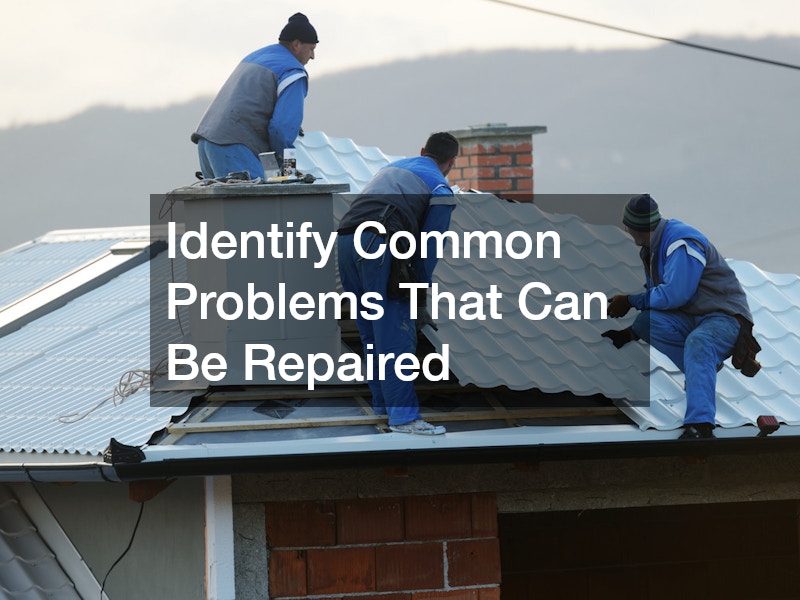
Not every roofing issue requires a full replacement. In fact, many problems can be resolved effectively with targeted roof repairs, especially when caught early.
Some of the most common repairable issues include:
- Isolated leaks caused by damaged flashing
- Missing or cracked shingles in a specific area
- Minor storm damage affecting only part of the roof
- Small punctures or holes from debris
- Loose or exposed fasteners
An experienced roofer can evaluate whether the damage is localized or part of a broader issue. If the rest of the roof is in good condition, repairs are often the most practical and cost-effective solution.
There are several advantages to choosing repairs:
- Lower upfront cost compared to replacement
- Faster turnaround time, often completed in a day
- Minimal disruption to your household
- Ability to extend the life of your existing roof
However, repairs are not always a permanent solution. If your roof has recurring issues in different areas, patching one problem may not prevent others from appearing.
Homeowners should also consider the age of the roof when deciding on repairs. Fixing a small issue on a relatively new roof makes sense, but investing in repeated repairs on an aging roof may not be financially wise.
The key is to strike a balance between short-term savings and long-term reliability.
Recognize When Replacement Is the Better Option
While repairs can address many issues, there are situations where a full replacement is the more practical and cost-effective choice.
One of the biggest factors is age. Most roofing materials have a finite lifespan, and once your roof approaches or exceeds that limit, problems tend to become more frequent and severe.
Signs that replacement may be necessary include:
- Widespread shingle damage or deterioration
- Multiple leaks occurring in different areas
- Sagging rooflines or structural concerns
- Persistent moisture issues in the attic
- Visible wear across the entire surface
A new roof installation provides a clean slate, eliminating underlying problems that repairs cannot fix. It also allows you to upgrade materials and improve your home’s overall performance.
Many roofing companies recommend replacement when:
- Repair costs exceed 40–50% of replacement cost
- The roof is nearing the end of its expected lifespan
- There are ongoing issues despite previous repairs
Although replacement requires a larger investment, it offers several long-term benefits:
- Improved durability and weather resistance
- Reduced maintenance costs
- Enhanced energy efficiency
- Increased property value
For homeowners planning to stay in their home for many years, replacement often provides better overall value.
Compare the Costs: Short-Term vs Long-Term Value
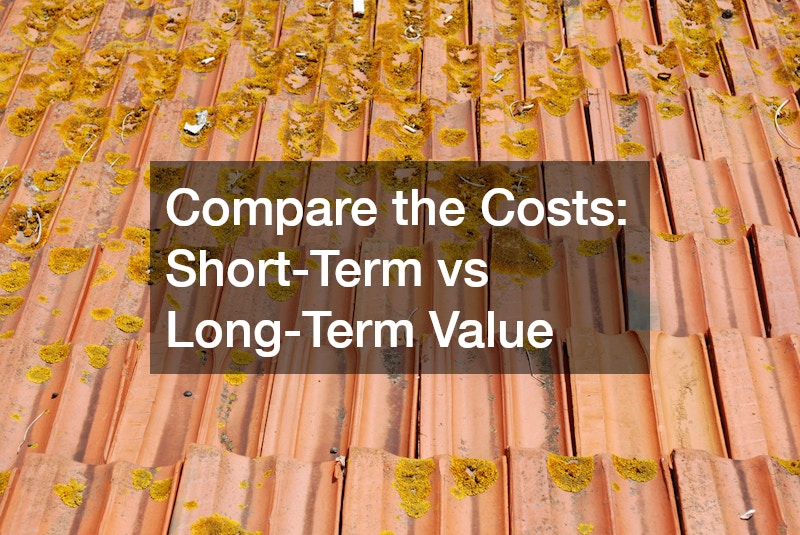
Cost is often the deciding factor for many homeowners, but it’s important to look beyond the initial price tag.
Repairs are generally less expensive upfront, making them an attractive option for those on a tight budget. However, repeated repairs can add up over time, especially if the underlying issue isn’t fully resolved.
A roofing contractor can help you compare:
- Immediate repair costs
- Estimated lifespan after repairs
- Potential for future issues
- Total cost of ownership over time
In contrast, a new roof installation requires a larger initial investment but often eliminates the need for ongoing repairs. This can lead to significant savings over the life of the roof.
When evaluating costs, consider:
- Frequency of past repairs
- Age of your current roof
- Energy efficiency improvements
- Warranty coverage
Many contractors also offer financing options, making replacement more manageable for homeowners.
Taking a long-term perspective helps ensure you’re making a financially sound decision rather than simply choosing the cheapest option.
Consider Your Roofing Material and Its Lifespan
The type of material used on your roof plays a major role in determining whether repair or replacement is the best option.
Different materials have varying lifespans:
- Asphalt shingles: 20–30 years
- Metal roofs: 40–70 years
- Tile or slate: 50+ years
For example, metal roof repair is often a viable option because these systems are designed for durability and longevity. If damage is limited, repairs can extend the life of the roof significantly.
Experienced roofers understand how each material behaves and can recommend the most appropriate solution.
Important factors to consider include:
- Current condition of the material
- Availability of matching materials for repairs
- Local climate and weather patterns
- Maintenance requirements
Choosing the right approach based on your roofing material ensures better performance and longevity.
Evaluate Energy Efficiency and Home Value Benefits
Your roof plays a key role in your home’s energy efficiency. An outdated or damaged roof can lead to heat loss in winter and heat gain in summer, increasing your energy bills.
A new roof installation often includes modern materials designed to improve insulation and reflect heat. This can make your home more comfortable while reducing energy costs.
A reputable roofing company can help you explore options such as:
- Reflective or “cool” roofing materials
- Improved ventilation systems
- Enhanced insulation
In addition to energy savings, a new roof can significantly boost your home’s resale value. Buyers are more likely to invest in a property with a newer roof, as it reduces the risk of future expenses.
Benefits of upgrading include:
- Lower utility bills
- Increased market appeal
- Improved curb appeal
- Greater overall home value
These factors make replacement an attractive option for homeowners thinking about long-term investment.
Factor in Weather Damage and Environmental Conditions
Your local climate plays a major role in the wear and tear on your roof. Homes in areas with frequent storms, high winds, or extreme temperatures are more likely to experience damage.
After severe weather, roof inspection services are essential to identify issues that may not be immediately visible. Even minor damage can worsen over time if left unaddressed.
In some cases, roof repairs are sufficient to fix storm-related damage. However, repeated exposure to harsh conditions can weaken your roof, making replacement a more practical option.
Preventive steps include:
- Inspecting your roof after major storms
- Addressing damage promptly
- Reinforcing vulnerable areas
Understanding how environmental factors affect your roof helps you make more informed decisions about maintenance and upgrades.
Work with Trusted Professionals for the Best Outcome

The quality of your roofing project depends heavily on the professionals you hire. Experienced local roofers understand regional conditions and can provide tailored solutions.
When evaluating roofing companies, look for:
- Proper licensing and insurance
- Positive customer reviews
- Clear, detailed estimates
- Strong warranties
Questions to ask include:
- How long have you been in business?
- What materials do you recommend?
- What is your timeline for completion?
Hiring reputable local roofers ensures your project is completed safely and to a high standard.
Avoid contractors who:
- Offer unusually low prices
- Pressure you into quick decisions
- Lack proper credentials
Choosing the right professionals gives you confidence in your investment.
Understand the Timeline and Disruption Involved
Another important consideration is how the project will impact your daily life.
Repairs are typically quick and minimally disruptive. A roofer can often complete small jobs within a day or two.
A full roof installation, however, may take several days depending on the size and complexity of your home.
During installation, you may experience:
- Noise from construction
- Limited access to certain areas
- Temporary debris around your property
To prepare:
- Inform your household of the schedule
- Protect items in your attic
- Plan for pets and children
Understanding the timeline helps you plan accordingly and minimize inconvenience.
Plan for Ongoing Maintenance to Extend Roof Life
Whether you choose repair or replacement, regular maintenance is essential for protecting your investment.
Routine tasks include:
- Cleaning gutters and downspouts
- Inspecting for damage after storms
- Removing debris from the roof
- Checking for leaks or moisture
Professional roofers recommend periodic inspections to catch issues early.
Working with a reliable roofing company ensures consistent maintenance and early detection of problems.
Preventive care helps:
- Extend the life of your roof
- Reduce repair costs
- Maintain performance over time
Deciding between roof repair and replacement is a significant decision that requires careful consideration of various factors. Firstly, examining the current condition of your roof is essential. Look for signs of wear and tear, such as missing or cracked shingles, leaks, or sagging areas, which could indicate that a replacement is necessary. Alternatively, if the damages are confined to a small region, repairs might suffice and prove more economical in the short term.
Your long-term goals for the property should also be considered. If you plan on staying in your home for an extended period, investing in a new roof might be advantageous, as modern roofing materials can offer improved durability and decades of performance. However, if you intend to sell the property in the near future, enhancing the roof’s appearance and functionality through repairs can still boost its market value and appeal to potential buyers.
By taking the time to evaluate your options and work with experienced professionals, such as licensed contractors or roofing specialists, you can make a choice that protects your home and maximizes your investment. These experts can provide insights into the latest roofing materials and technologies, helping you make an informed decision that aligns with your specific needs and preferences.
A well-maintained roof not only provides safety and comfort by shielding the interior from external elements like rain, wind, and extreme temperatures, but it also enhances the overall aesthetics of your home. With regular maintenance, your roof can provide long-lasting value, increasing both the structural integrity and curb appeal of your property, which is a significant factor in the real estate market.
