

Maintaining a property requires a balance between DIY enthusiasm and knowing when to hand over tasks to skilled professionals. While taking care of routine cleaning or small cosmetic repairs provides a sense of accomplishment, certain home challenges demand specialized equipment, expert training, and strict safety measures. Attempting complex structural repairs or hazard handling without proper experience can lead to costly mistakes, structural damage, or personal injury.
Recognizing which situations require external assistance is an essential part of responsible homeownership. Delegating specialized tasks allows projects to be completed efficiently, safely, and up to local building standards. Taking an honest inventory of home improvement needs ensures that every area of the property remains functional, comfortable, and structurally sound over time.
Heavy Debris and Property Cleanouts
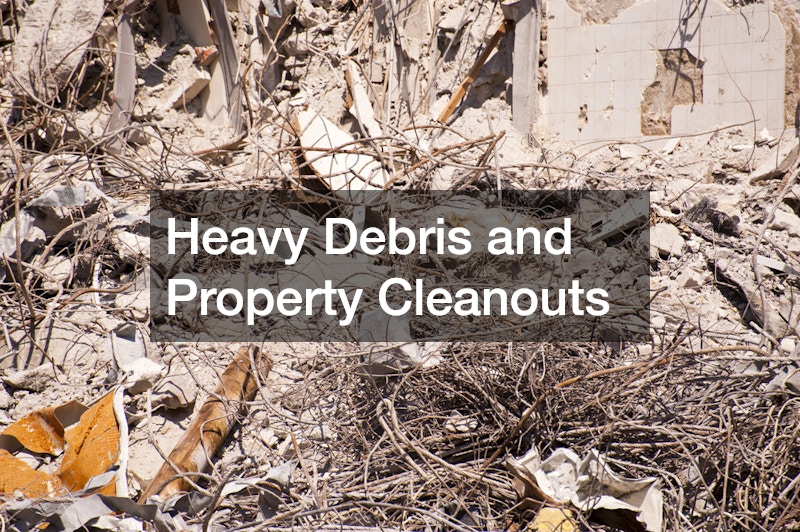
Managing massive structural waste, renovation debris, or large-scale yard cleanups requires more than standard residential trash collection. When project materials pile up quickly, managing disposal becomes a major bottleneck for progress.
Arranging Bulk Waste Containers
During major home renovations or extensive property decluttering, renting a dedicated dumpster provides an efficient solution for collecting dynamic amounts of waste in one central location. Professional disposal services manage the transport, drop-off, and eventual hauling away of heavy materials like drywall, old cabinetry, and roofing shingles. Having a dedicated waste bin on site keeps work zones safe, organized, and free from dangerous sharp items or tripping hazards.
Securing Proper Placement Permits
Before setting up heavy waste collection bins on public streets or shared driveways, check municipal guidelines regarding public right-of-way usage. Local regulations often require specific municipal permits or visible safety reflectors if waste containers block pedestrian walkways or street parking. Proper placement prevents damage to underground utility lines, driveway asphalt, and turfgrass while keeping the work site fully compliant with city codes.
Concrete Surface Maintenance and Refinishing
Concrete surfaces endure heavy foot traffic, moisture exposure, and temperature fluctuations, leading to surface wear, staining, and visible dullness over time. Restoring these surfaces requires heavy-duty mechanical grinding tools and precise diamond-abrasive pads.
Hiring Mechanical Grinding Specialists
Achieving a smooth, durable finish on garage floors or indoor basement slabs is best accomplished through professional concrete polishing services. Industrial-grade grinding machines eliminate existing surface coatings, smooth out uneven joins, and expose the strong aggregate beneath. Skilled technicians use progressive diamond grits to transform dull, porous gray slabs into highly durable, reflective surfaces that resist future oil stains and dust accumulation.
Applying Protective Surface Sealants
After mechanical grinding, surface specialists apply penetrative hardeners and densifiers that react chemically with the concrete matrix. These specialized solutions fill micro-porosities to harden the top layer and minimize future dusting. Periodic application of compatible sealants protects polished floors against moisture intrusion, chemical spills, and heavy wear, keeping the surface looking clean and modern for decades.
High-Risk Outdoor Maintenance and Tree Care

Large trees add shade, beauty, and value to residential lots, but dead, decaying, or overgrown trees present severe structural risks to nearby homes and power lines. Safely managing massive limbs requires specialized rigging equipment and extensive arboricultural training.
Removing Hazardous Standing Trees
When a mature tree suffers from disease, trunk decay, or severe storm damage, hiring professionals for complete tree removal is the safest course of action. Professional arborists carefully analyze weight distribution, branch lean, and falling radius before securing safety harnesses and lowering sections with heavy ropes. Eliminating hazardous trees protects roofs, power infrastructure, and neighboring properties from sudden, catastrophic limb drops.
Protecting Root Systems and Surrounding Structures
Tree extraction involves managing subsurface impacts, particularly when large root systems stretch toward building foundations, driveways, or underground pipelines. Arborists use specialized techniques to dismantle trees without disturbing nearby soil structure or crushing surrounding garden beds. Professional stump grinding further prevents future sucker growth and stops pest colonies from inhabiting decaying wood roots.
Severe Plumbing Obstructions and System Care
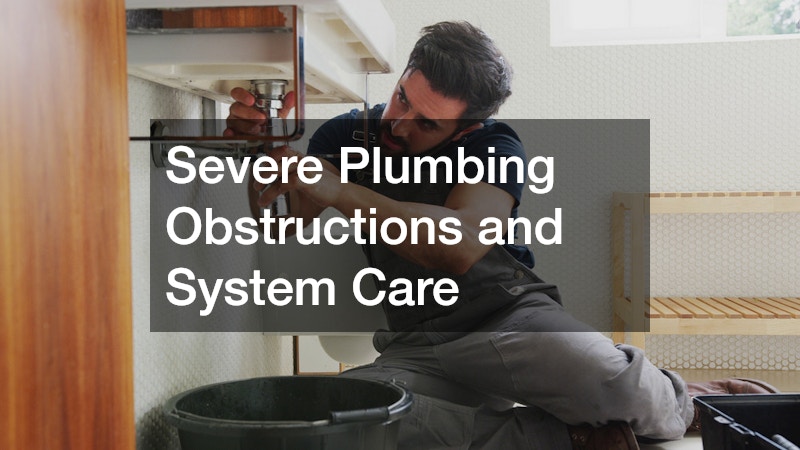
Slow drains and persistent sewer line backups disrupt daily home functions and can lead to water contamination if left unaddressed. While minor clogs yield to basic plungers, recurring line blockages point to deeper main line issues.
Clearing Main Sewer Lines
Deep line blockages caused by invasive root systems, grease buildup, or mineral scale often require professional drain cleaning utilizing high-pressure hydro-jetting equipment. Licensed plumbers insert flexible motorized snakes and continuous water jets to scrub the interior walls of waste lines clean without cracking fragile pipes. Expert hydro-jetting cleans out stubborn blockages that chemical drain openers cannot dissolve.
Inspecting Pipes with Video Equipment
Modern plumbing experts utilize tiny waterproof video cameras attached to flexible rods to inspect main lines from the inside out. This diagnostic visual scan locates exact crack locations, pipe sags, and root intrusion points without invasive yard digging. Catching minor pipe defects early prevents unexpected indoor flooding, costly sewer backups, and structural foundation damage.
Indoor Air Quality and HVAC Performance
Heating and cooling systems depend on unrestricted airflow to maintain consistent indoor temperatures and preserve mechanical lifespan. Standard off-the-shelf air filters do not fit every custom duct opening or high-velocity system.
Sizing Non-Standard Air Return Vents
Homes featuring unique architectural layouts or retrofitted heating setups often require a custom air filter built to exact dimensional specifications. Standard retail filters that do not fit tightly allow unfiltered air to bypass the media entirely, introducing dust and allergens directly into internal coils. Fitting custom-sized filtration media ensures complete perimeter sealing, protecting sensitive internal motor parts from dust accumulation.
Selecting Proper MERV Performance Levels
Choosing correct Minimum Efficiency Reporting Value ratings balances particle capture efficiency against system airflow restrictions. High-efficiency filters pull microscopic pollen, mold spores, and fine dust out of circulation without straining the blower motor. Changing these specialized filter sizes according to manufacturer recommendations maintains low utility bills and maximizes overall HVAC system efficiency.
Flooring Replacement and Subfloor Preparation
Worn, stained, or damaged flooring detracts from home aesthetics and can trap moisture, dust mites, and stubborn household odors deep within fibers. Replacing worn surfaces revitalizes interior living spaces while providing an opportunity to inspect subfloors.
Preparing Subfloors for New Flooring
Initiating a full carpet replacement requires careful removal of old materials, tack strips, and worn underlayments to evaluate the wooden subfloor beneath. Professional installation crews check subfloor panels for structural sags, moisture damage, and squeaks, securing loose boards before laying new materials. Proper subfloor preparation guarantees that fresh floor coverings lay flat, wear evenly, and provide long-lasting underfoot support.
Selecting Durable Underlayments and Padding
The longevity of new flooring relies heavily on selecting high-density cushion underlayment matched to room usage levels. Moisture-resistant underlayment pads block subfloor dampness from creeping into surface fibers while adding acoustic dampening between home levels. Skilled installers stretch new materials tightly from wall to wall to avoid unsightly wrinkles, bubbles, or premature wear patterns.
Electrical Upgrades and Emergency Repairs
Electrical systems demand absolute precision and adherence to strict safety codes to prevent electrical fires, shock hazards, and appliance damage. Sudden power outages or flickering lights require fast intervention by trained specialists.
Resolving Sudden Electrical Hazards
When major circuit breakers repeatedly trip, outlets spark, or main panels emit burning smells, calling certified emergency electricians prevents immediate structural hazards. Master electricians carry diagnostic equipment to trace hidden wire shorts, balanced phase issues, and dangerous ground faults behind finished walls. Quick professional intervention restores reliable power while keeping your home fully compliant with national safety codes.
Upgrading Main Service Panels
Modern households run multiple heavy appliances, vehicle charging stations, and climate systems that can easily overwhelm older 100-amp service boxes. Certified electricians upgrade main service panels to 200 amps or higher, installing fresh bus bars, surge protectors, and dedicated circuits. Upgrading electrical distribution boxes ensures consistent current flow, eliminates overload risks, and accommodates future technology additions safely.
Wall Preparation and Professional Interior Finishes
Painting interior rooms seems simple, but achieving flawless, long-lasting surface finishes demands methodical surface preparation, correct primer selection, and meticulous brush technique.
Refreshing Indoor Walls with Professional Finishes
Scheduling a complete interior painting project breathes fresh life into living rooms, kitchens, and bedrooms while protecting drywall from moisture absorption. Professional painters spend considerable time repairing drywall dings, sanding rough seams, and applying high-adhesion primers to guarantee uniform sheen. Their professional application tools yield crisp edges along trim lines, smooth coverage across broad walls, and a durable coat that stands up to routine washing.
Choosing Low-VOC Paint Formulations
Modern indoor coatings utilize low-odor, zero-VOC paint formulas that protect indoor air quality during application and curing. Professional painters help select appropriate sheen levels—such as satin for busy hallways or semi-gloss for humid bathrooms—to resist moisture and scuffs. High-quality paints maintain vibrant color depth over time without cracking, peeling, or chalking under sun exposure.
Subterranean Pest Management and Prevention
Subterranean insects work out of sight beneath flooring and behind drywall, feeding on structural framing studs and joists without immediate visual warning signs. Halting infestation damage requires commercial-grade treatments and expert application techniques.
Implementing Professional Eradication Methods
Eradicating hidden wood-destroying insects requires specialized subterranean termite control tactics, such as liquid soil barriers and monitored baiting systems. Licensed pest management professionals analyze soil composition, structural moisture points, and pest entry paths to apply targeted treatments. Professional remediation stops active colonies from compromising load-bearing walls, floor joists, and roof trusses.
Establishing Annual Property Monitoring
Long-term pest protection relies on routine structural inspections by certified pest management technicians. Specialists install subterranean bait monitoring stations around the foundation perimeter to detect seasonal activity before colonies access main framing timber. Annual inspections provide complete peace of mind, preserving property market value and structural integrity against hidden pest threats.
Stinging Insect Control and Nest Removal
Stinging insects nesting near home entryways, roof eaves, or inside wall cavities present immediate health risks to residents and pets. Attempting to clear active colonies without professional gear often leads to aggressive insect swarms and dangerous sting incidents.
Removing Active Stinging Insect Colonies
Directing a professional wasp nest removal service ensures active stinging colonies are safely eradicated using targeted protective gear and specialized treatments. Pest technicians identify specific species—such as yellowjackets, paper wasps, or hornet clusters—to apply appropriate knockdown dusts or aerosol treatments. Removing active nests safely prevents defensive swarms and keeps high-traffic patio, porch, and entry areas completely safe for family use.
Sealing Structural Entry Points
Once stinging insect colonies are removed, sealing external entry points prevents future queens from establishing new hives in building voids. Technicians locate subtle cracks along soffits, fascia boards, attic vents, and siding overlaps, sealing gaps with silicone caulk and fine wire mesh. Blocking seasonal access routes keeps outdoor living areas pleasant, comfortable, and pest-free all summer long.
Comprehensive Home Maintenance and Long-Term Value
Maintaining a home requires balancing immediate living needs with long-term structural preservation. Every system within a residential property, from the foundation beneath the floorboards to the highest peak of the roof, operates as part of an interconnected environment. When one component experiences neglect or suffers from improper repairs, the resulting strain often compromises adjacent materials and equipment.
Investing in certified professional services for complex updates serves as a proactive defense against major structural failures. Qualified contractors bring specialized field knowledge, current building code compliance, industry-grade machinery, and comprehensive liability insurance to every job site. These essential protections minimize personal liability, prevent costly structural rework, and ensure that all physical upgrades add lasting value to the property.
Evaluating Project Scope and Technical Skills
Before launching into any major home improvement effort, evaluate the technical skill, specialized tooling, and physical labor required for safe execution. Projects involving high-voltage wiring, heavy load-bearing timber, deep subterranean plumbing, or elevated tree trimming carry inherent risks that standard consumer tools cannot manage safely. Partnering with licensed trade professionals ensures every project is completed correctly, keeping your household safe, comfortable, and fully functional through every season.
Knowing when to call experienced contractors keeps major residential projects running smoothly while protecting home equity and personal safety. Delegating heavy labor, electrical work, pest management, and custom mechanical tasks to trained professionals produces long-lasting, reliable results. Smart property maintenance blends personal care with expert assistance, ensuring your home remains a safe, beautiful, and valuable asset for years to come.
