

Homeownership comes with the responsibility of maintaining and repairing your property. While some issues may seem minor, ignoring them can lead to costly consequences down the line. With careful planning, preventative maintenance, and strategic use of resources, homeowners can complete repairs efficiently without wasting money or materials. This guide provides practical, actionable tips for managing repairs while maximizing efficiency, extending the lifespan of your home’s components, and minimizing environmental impact.
Whether you are dealing with minor wear and tear, seasonal maintenance, or unexpected problems, adopting a systematic approach can save both time and money. From plumbing and drainage to roofing and energy systems, understanding when to DIY, when to hire professionals, and how to use your tools effectively is critical. These strategies not only help protect your investment but also make your home more sustainable and easier to manage.
Assess Your Home Before Starting Repairs

Before diving into repairs, it is essential to conduct a thorough inspection of your property. This helps identify existing problems, prioritize urgent issues, and avoid unnecessary spending on tasks that may not require immediate attention. Begin by walking through each area of your home, noting signs of damage, leaks, or malfunctioning systems. Take photos, make lists, and organize repair tasks based on urgency and potential cost.
For large-scale repairs, such as moving heavy materials for remodeling or landscaping projects, using a forklift can make the process safer and more efficient. Proper forklift use ensures that heavy items are handled without causing injury or damage to your property, while also streamlining large home projects. Knowing how to use this equipment responsibly is key to maximizing productivity and preventing accidents.
Organizing and disposing of unused or broken materials is another critical step. Waste equipment, such as old appliances, scrap metal, or leftover construction materials, should be managed carefully. Sort items into categories for recycling, donation, or proper disposal. Doing so prevents clutter, protects the environment, and ensures that your home repair process is both safe and cost-effective.
Address Plumbing and Drainage Issues Efficiently
Plumbing problems can escalate quickly if not addressed in a timely manner. Small leaks, slow drains, or minor pipe damage may seem insignificant at first, but over time, they can cause serious water damage, mold growth, and structural issues that are costly to repair. Regularly inspecting sinks, toilets, exposed pipes, and visible fixtures is essential for catching problems early, before they become emergencies. Homeowners should also check areas that are prone to moisture accumulation, such as under sinks, around water heaters, and near washing machines. Early detection allows for simple fixes, preventing larger disruptions and unnecessary material waste. It’s also important to avoid relying on harsh chemical cleaners for clogged drains, as these products can erode pipes, damage seals, and harm the environment.
Clogged sink drains are one of the most common household plumbing issues, but they can often be resolved with simple, cost-effective techniques. Tools such as plungers and drain snakes are inexpensive, reusable, and effective for most minor blockages. Natural solutions, like a mixture of baking soda and vinegar followed by hot water, can break down grease and soap buildup without harming your plumbing system. Preventive measures go a long way in reducing clogs: using drain covers to catch hair and debris, avoiding pouring grease or food scraps down the sink, and routinely flushing drains with hot water can maintain clear pipes. Teaching household members proper disposal habits can save time, money, and reduce the frequency of professional interventions.
For more complicated plumbing issues, hiring a professional plumber is often the most efficient and safe solution. Licensed plumbers have the tools, training, and knowledge to diagnose hidden problems that may not be obvious, such as corrosion inside pipes, slab leaks, or issues within walls. They ensure repairs are performed according to building codes and safety standards, preventing repeat problems or potential hazards. While the upfront cost of professional services may seem high, it is an investment in the long-term sustainability of your home. Properly executed repairs can prevent costly emergencies, extend the life of your plumbing system, and save money on repeated attempts to fix the same issue. A professional plumber can also offer advice on preventative maintenance, helping homeowners reduce waste, conserve water, and avoid unnecessary replacement of plumbing fixtures.
Optimize Your Heating, Cooling, and Ventilation Systems
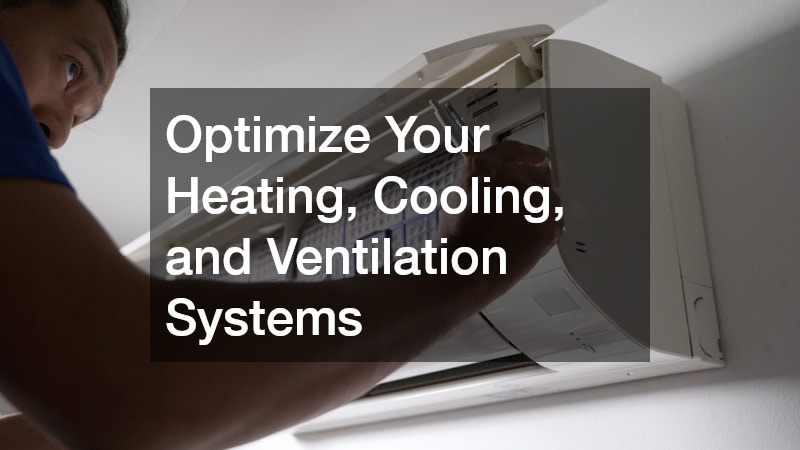
Regular maintenance of heating, ventilation, and air conditioning (HVAC) systems is essential for energy efficiency and longevity. Simple actions, like cleaning or replacing filters, checking for leaks in ducts, and inspecting electrical connections, can prevent breakdowns and reduce energy costs. Scheduling annual inspections ensures your system runs smoothly and avoids unexpected repair bills.
Timely AC repair is an important part of this maintenance strategy. Addressing small issues early—such as refrigerant leaks, unusual noises, or uneven cooling—can prevent larger system failures. Regular servicing by a qualified technician can extend the life of your air conditioner, improve energy efficiency, and save money on utility bills, making your home more comfortable and sustainable.
Beyond immediate repairs, consider small upgrades that enhance efficiency and reduce future costs. Programmable thermostats, ceiling fans, and proper insulation are examples of improvements that reduce strain on HVAC systems while lowering energy consumption. Integrating these measures helps maintain a comfortable home environment without excessive resource use.
Maintain Roofing and Exterior Surfaces
A well-maintained roof is one of the most important components of a home, protecting it from weather damage, water intrusion, and structural issues. Even minor roof problems can lead to serious consequences, such as leaks, mold growth, or weakened structural supports. Regular inspections of roofing materials, gutters, and flashing are essential for detecting small issues before they become major problems. Paying attention to loose or missing shingles, cracked tiles, or worn seals around chimneys and vents allows homeowners to address repairs promptly. Small fixes, such as replacing missing shingles, resealing flashing, or patching minor gaps, can extend the life of a roof significantly while protecting your home’s interior from potential damage.
Working with professional roofers for inspections and repairs ensures that any issues are identified and resolved efficiently. Experienced roofers have access to specialized tools, safety equipment, and industry knowledge that homeowners typically do not. They can spot hidden problems, such as underlying water damage, compromised underlayment, or areas prone to ice dams, that are difficult to detect from the ground. Hiring experts for complex repairs not only reduces the risk of further damage but also prevents costly mistakes and wasteful rework. Additionally, professional roofers follow safety protocols that protect both workers and homeowners during the repair process, which is especially important when dealing with steep or high roofs.
Seasonal maintenance is another key component of keeping your roof in optimal condition. Cleaning gutters, removing debris such as leaves and branches, and inspecting for signs of wear after storms are essential preventive measures. These actions prevent water buildup, ice formation, and rot that can compromise roofing materials and the structure beneath. Checking your roof after heavy rainfall, snow, or high winds ensures that minor damage is caught early and repaired before it escalates. Proactive maintenance strategies are not only cost-effective but also environmentally responsible, as they reduce the need for premature roof replacements and the disposal of old materials. Maintaining your roof with attention to detail supports the overall durability of your home while minimizing unnecessary waste and resource use.
Efficient Garage and Exterior Door Maintenance
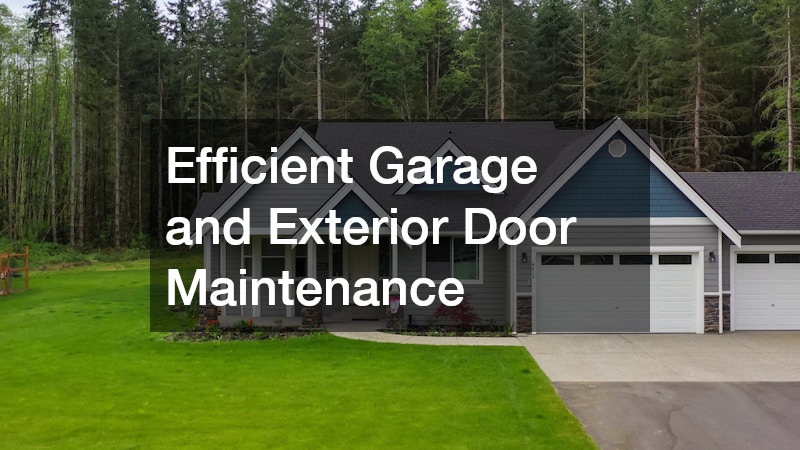
Garage and exterior doors play a critical role in home security, energy efficiency, and convenience. Poorly maintained doors can lead to drafts, increased energy consumption, and potential safety hazards. Regular inspections of hinges, rollers, and alignment help keep doors operating smoothly.
Professional garage door repair can address issues such as broken springs, malfunctioning openers, or misaligned tracks. While minor maintenance can often be handled independently, hiring professionals for more complex problems ensures proper repair, reduces the risk of accidents, and extends the lifespan of your doors.
Routine DIY maintenance also contributes to cost savings. Lubricating moving parts, tightening loose hardware, and ensuring proper balance can prevent larger failures and reduce the need for frequent professional intervention. Regular care helps avoid resource waste by prolonging the functional life of doors and components.
Use the Right Tools and Hardware Wisely
Selecting the appropriate tools and durable hardware is essential for completing repairs efficiently and reducing waste. Investing in quality tools ensures longevity, reduces the need for replacements, and improves safety during repair projects. Organize tools to prevent damage and make them easily accessible for future repairs.
Hardware plays a central role in most home repairs, from door hinges and cabinet handles to fasteners and mounting brackets. Using the correct size, type, and quality of hardware ensures repairs hold up over time and reduces the likelihood of repeated fixes. Consider purchasing multi-use hardware kits for smaller projects to minimize leftover materials.
Proper storage and labeling of tools and hardware also prevent loss or damage. Implementing an organized system allows homeowners to track what is available, avoid duplicate purchases, and manage repair projects more efficiently. This approach saves money and reduces waste while keeping your home maintenance process streamlined.
Safe and Efficient Handling of Energy and Fuel Resources
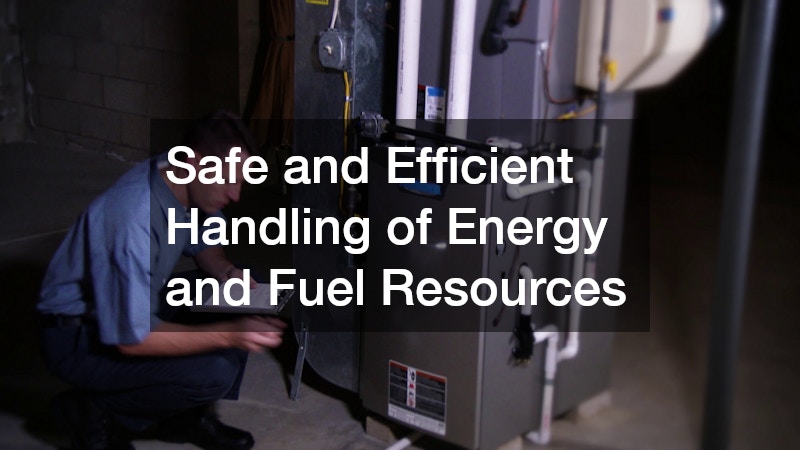
Many homes rely on energy sources that require careful handling, such as propane for heating or cooking. Proper storage, monitoring, and usage of propane tanks are essential to ensure safety, prevent leaks, and avoid waste. Always follow manufacturer guidelines for storage, check for signs of corrosion or damage, and ensure tanks are kept upright and in well-ventilated areas.
Routine inspections of propane tanks and related appliances help detect minor issues before they escalate. Leaks or malfunctions can lead to wasted fuel, costly repairs, and safety hazards. Addressing problems early with the right equipment prevents unnecessary resource consumption and protects your household.
Implementing energy-efficient practices, such as sealing gaps around appliances and using the appropriate size of propane for your needs, can further reduce fuel usage. Strategic energy management not only lowers utility bills but also contributes to more sustainable homeownership by minimizing waste.
Water Damage Prevention and Cleanup
Moisture problems are a common source of home repair costs and can result in structural damage or mold growth if left unchecked. Regularly inspecting your home for leaks, checking drainage systems, and maintaining gutters and downspouts is critical for preventing water-related issues.
Water remediation services may be necessary for significant flooding or persistent leaks. These professionals use specialized equipment and techniques to remove water, dry affected areas, and restore structural integrity safely and efficiently. Hiring experts for severe water damage can prevent further deterioration, reduce the need for extensive repairs, and ensure that remediation is handled responsibly.
Preventive measures can also reduce the need for professional intervention. Monitoring humidity levels, installing sump pumps, and sealing vulnerable areas are cost-effective strategies that minimize water damage. Addressing issues early saves money, reduces material waste, and helps maintain a healthy living environment.
Organize and Reuse Materials for Repairs
Planning repair projects with an eye toward material efficiency is essential for sustainable homeownership. Prioritize repairs that maximize the use of existing resources and minimize leftover waste. Keep an inventory of materials on hand, and consider repurposing scraps for smaller projects or DIY solutions.
When disposing of damaged or unused materials, ensure that waste equipment is sorted properly for recycling, donation, or disposal. For example, old wood, metal scraps, and broken appliances can often be recycled or donated instead of sent to a landfill. Responsible handling of waste materials reduces environmental impact and supports resource efficiency.
By organizing projects in advance, homeowners can anticipate needed supplies, avoid over-purchasing, and reduce unnecessary packaging waste. Thoughtful planning not only lowers costs but also contributes to sustainable practices that benefit both your home and the community.
Cost-effective home repairs require careful planning, preventive maintenance, and strategic use of resources. By inspecting your home thoroughly, addressing issues early, and using professionals wisely, you can save money, extend the lifespan of your property, and minimize environmental impact.
Implementing sustainable practices—such as organizing tools, reusing materials, and maintaining energy systems—ensures that your repairs are both efficient and responsible. With thoughtful planning and proactive maintenance, homeowners can protect their investment, reduce unnecessary waste, and enjoy a safe, functional, and resource-efficient home for years to come.
