

Introduction
Modern homeowners are entering a new era where comfort, efficiency, and adaptability are no longer optional—they are expected. Properties today are not just places to live, but long-term investments that must evolve with changing technology, family needs, and market conditions. Whether someone is building from the ground up or upgrading an older home, success depends on understanding how construction, design, and systems integration work together.
Today’s housing decisions often involve more complexity than ever before. Smart technology influences how we control lighting, privacy, and energy use. Structural decisions affect resale value and long-term durability. Even temporary logistics, such as storing belongings during renovation, can impact project timelines and stress levels. At the same time, rising construction costs and energy concerns make planning more important than ever.
This guide is designed to walk through the most important aspects of modern home development and improvement. It explores how to plan large projects effectively, how to decide between building new or remodeling, and how to approach key upgrades that improve comfort and value. It also breaks down essential systems like energy performance, smart automation, and interior design improvements so homeowners can make informed decisions at every stage.
By the end, readers will understand how to coordinate large-scale home projects, improve efficiency, and build or upgrade a home that is functional, future-ready, and financially sound.
Planning large-scale home projects efficiently
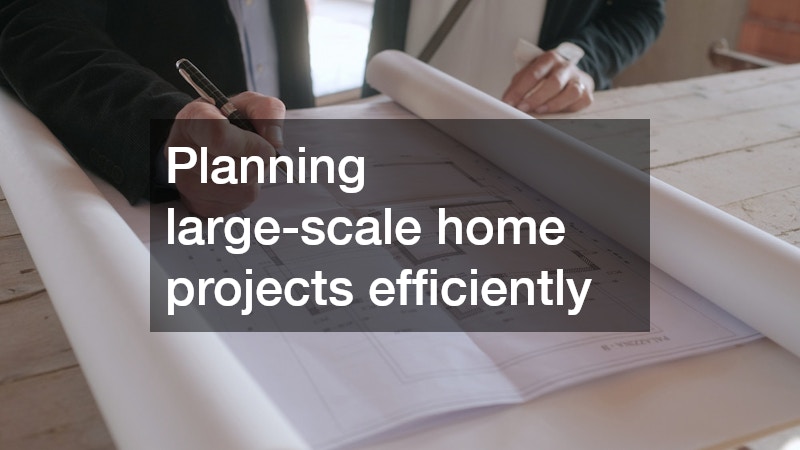
Any major home project begins with organization. Without a clear plan, even well-funded renovations can quickly become overwhelming, delayed, or significantly more expensive than expected. One of the most overlooked aspects of planning is managing space and logistics before work begins. This is where temporary storage solutions become essential like warehouse storage, especially when multiple rooms or structural areas are being renovated at the same time.
Proper planning starts with defining scope and priorities. Homeowners should break down their goals into categories such as structural upgrades, aesthetic improvements, and system replacements. Once the scope is clear, it becomes easier to assign timelines, budgets, and contractor responsibilities.
Key planning strategies include:
- Creating a room-by-room renovation roadmap
- Establishing a realistic budget with at least 15–20% contingency
- Sequencing projects based on dependency (e.g., electrical before drywall)
- Identifying items that must be protected or removed before work begins
- Coordinating contractor availability in advance
In larger renovations, staging space becomes critical. Furniture, appliances, and personal belongings can slow down progress if not properly managed. Using off-site solutions helps maintain a clean, safe work environment and allows contractors to move efficiently without obstacles.
Additional best practices:
- Label and categorize stored items for easy retrieval
- Separate essential items from long-term storage
- Use climate-protected storage for sensitive materials
- Keep a detailed inventory list to avoid loss or confusion
A well-structured plan reduces downtime, prevents damage, and allows homeowners to maintain control over what can otherwise become a chaotic process.
Choosing between building new and transforming existing property
One of the biggest decisions in real estate development is whether to build a new structure or renovate an existing one. Each option has advantages depending on budget, location, and long-term goals. New construction, like a new construction condo, allows for full customization, while renovation often provides faster occupancy and lower initial costs.
In recent years, alternative housing styles have also gained popularity, including modern modular builds and hybrid rural-luxury concepts. Working with a barndominium builder could be a good option for those looking for that more trendy style. These options allow homeowners to blend durability with customization, especially when traditional housing markets are limited or expensive.
When evaluating new construction options, consider:
- Lot size and zoning restrictions
- Foundation requirements and soil conditions
- Utility access and infrastructure availability
- Long-term resale potential in the area
- Architectural flexibility for future expansion
Alternative build styles also offer unique benefits. Custom rural-style builds, for example, allow for open layouts, high ceilings, and cost-efficient material usage. Meanwhile, modern urban developments focus on compact efficiency and shared amenities.
Key comparison factors:
- Cost per square foot vs long-term value
- Customization freedom vs renovation limitations
- Timeline for completion
- Energy efficiency potential
- Maintenance expectations over time
The right choice depends on lifestyle needs. A new build offers freedom and modern efficiency, while renovation can preserve location advantages and reduce initial investment.
Improving energy performance through structural upgrades
Energy efficiency is one of the most important factors in long-term home performance. Poor insulation or outdated heating systems can significantly increase utility costs and reduce comfort throughout the year. Improving thermal performance is often one of the highest-return investments in any home project.
Structural insulation upgrades play a critical role in stabilizing indoor temperatures. Walls, attics, and crawl spaces are common areas where heat loss occurs. Addressing these areas during renovations ensures that energy improvements are integrated into the structure rather than added as an afterthought.
Key energy improvement strategies:
- Sealing air leaks around windows and doors
- Upgrading attic and wall insulation materials
- Improving ventilation systems for airflow balance
- Installing energy-efficient heating systems
- Using programmable thermostats for temperature control
Heating system performance is equally important. Older systems often struggle with efficiency, leading to uneven heating and expensive heating repairs, and higher energy consumption. Regular maintenance and timely upgrades help maintain system reliability while reducing long-term costs.
Additional efficiency practices:
- Conduct seasonal energy audits
- Monitor monthly energy usage trends
- Replace outdated mechanical systems proactively
- Improve ductwork sealing and airflow distribution
Combining insulation upgrades with professional house insulation contractors, and heating improvements creates a more stable, efficient, and comfortable living environment year-round.
Creating intelligent and automated living environments
Smart home technology has transformed how homeowners interact with their living spaces. Automation systems now control lighting, climate, security, and even privacy settings. One of the most impactful upgrades involves automated window treatments, like smart blinds installation, that adjust based on sunlight, temperature, or user preference.
Smart automation is no longer a luxury—it is becoming a standard feature in modern housing design. These systems help reduce energy consumption while increasing convenience and security.
Core benefits of smart home integration:
- Remote control of home systems via mobile devices
- Automated scheduling for lighting and temperature
- Improved energy efficiency through adaptive settings
- Enhanced privacy and security monitoring
- Increased property value and market appeal
When planning automation upgrades, homeowners should ensure compatibility between devices and platforms. A unified system is easier to manage and reduces technical issues.
Best practices include:
- Choosing scalable systems for future expansion
- Integrating devices under a single control hub
- Ensuring strong Wi-Fi or network infrastructure
- Prioritizing security and data protection
Smart automation not only improves daily living but also prepares homes for future technological advancements.
Understanding property value and appraisal readiness
Home value is influenced by both visible upgrades and structural improvements. Before selling, refinancing, or undertaking major renovations, understanding how home appraisals work is essential. Appraisers evaluate condition, upgrades, location, and market trends to determine value.
Strategic improvements can significantly impact valuation outcomes. However, not all upgrades offer equal returns. Functional improvements often carry more weight than purely cosmetic changes.
Key factors that influence property value:
- Structural condition and maintenance history
- Energy efficiency improvements
- Kitchen and bathroom quality
- Flooring, lighting, and layout design
- Curb appeal and exterior condition
Preparation for valuation should begin well before an official appraisal. Small improvements, cleaning, and organization can make a noticeable difference in perceived value.
Helpful preparation steps:
- Complete minor repairs before inspection
- Document all recent upgrades and renovations
- Ensure all systems are fully functional
- Improve lighting and interior presentation
Understanding appraisal dynamics allows homeowners to invest strategically rather than emotionally.
Transforming interiors through structured remodeling
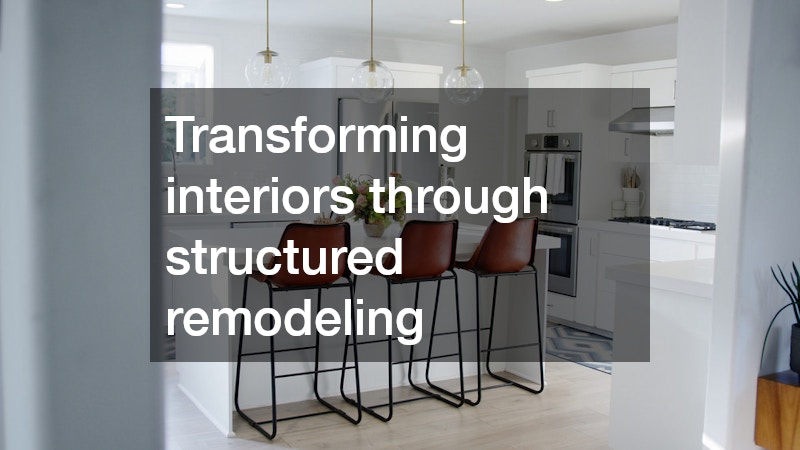
Interior remodeling is most successful when it follows a structured, phased approach rather than a reactive or purely aesthetic one. Homeowners often begin with excitement about design changes but underestimate how deeply layout, systems, and material choices interact with one another. A structured plan ensures that every decision supports both the immediate vision and long-term functionality of the home.
One of the most important aspects of home remodeling services is understanding how people actually move through and use a space. For example, a living room may look visually appealing, but if furniture placement restricts movement or blocks natural pathways, the design ultimately fails in everyday use. This is why modern remodeling places such strong emphasis on flow optimization.
Additional advanced remodeling considerations include:
- Aligning lighting placement with furniture layout before installation
- Planning electrical outlets based on real device usage patterns
- Coordinating flooring transitions between rooms for visual continuity
- Ensuring HVAC vents are not obstructed by new layouts
- Accounting for future accessibility needs such as aging-in-place design
Another overlooked factor is sequencing. The order in which work is completed can dramatically affect cost and quality. For example, installing flooring before cabinetry or painting before electrical finalization can lead to unnecessary rework.
Best sequencing practices include:
- Structural changes first (walls, framing, layout adjustments)
- Mechanical systems next (electrical, plumbing, HVAC adjustments)
- Surfaces and finishes last (flooring, paint, trim, fixtures)
Storage planning is also essential during remodeling. Built-in storage solutions should not be treated as afterthoughts; they must be integrated into the design phase so they blend seamlessly with the overall layout.
A well-executed remodeling plan also anticipates future lifestyle changes. Flexible spaces that can shift from office to guest room or from play area to entertainment space add long-term value and adaptability.
Ultimately, structured remodeling is about discipline as much as creativity. It ensures that design choices are not only visually appealing but also practical, durable, and aligned with how the home will be used for years to come.
Designing high-impact kitchen transformations
Kitchen remodeling is one of the most complex and rewarding home upgrades because it combines design, engineering, and daily usability in a single space. A well-designed kitchen improves not only cooking efficiency but also social interaction and overall home value. It is imperative to work with expert kitchen remodelers.
Beyond the traditional “work triangle,” modern kitchens now incorporate multiple functional zones. These include preparation zones, cooking zones, cleaning zones, and even social or entertainment zones. Each zone must be carefully designed to prevent overlap and inefficiency.
Advanced kitchen planning considerations:
- Positioning appliances to minimize cross-traffic during cooking
- Designing prep space near both storage and cooking areas
- Integrating waste and recycling systems into cabinetry design
- Ensuring adequate clearance for appliance doors and drawers
- Planning for future appliance upgrades or replacements
Lighting design plays a major role in both aesthetics and usability. Layered lighting strategies improve visibility and ambiance simultaneously. This typically includes task lighting under cabinets, ambient ceiling lighting, and accent lighting for visual depth.
Another critical element is material harmony. Kitchen countertop installation, cabinetry, backsplash, and flooring must work together visually while also serving different functional demands. For example, countertops must resist heat and staining, while cabinetry must withstand frequent opening, closing, and weight loads.
Additional design best practices include:
- Using soft-close hardware for long-term durability
- Incorporating vertical storage to maximize space efficiency
- Designing island spaces for dual-purpose use (prep + dining)
- Selecting finishes that resist fingerprints and moisture damage
Ventilation is also often underestimated. A high-quality ventilation system prevents grease buildup, improves air quality, and protects surrounding materials from long-term damage.
A successful kitchen transformation blends aesthetics with engineering precision. When all elements are carefully coordinated, the kitchen becomes not just a functional workspace but the true centerpiece of the home.
Managing belongings and space during major projects

Effective space management during renovations is often the difference between a smooth project and a chaotic one. When multiple rooms are under construction, homeowners frequently underestimate how quickly clutter and disorganization can slow progress and increase stress levels.
A structured approach begins with categorization. Items should be divided not only by room, but also by priority of access. Everyday essentials must remain accessible, while seasonal, decorative, or rarely used items can be fully packed and stored away.
More advanced organization strategies include:
- Creating a “daily access zone” for essential household items
- Separating fragile, valuable, and heavy items into distinct groups
- Using color-coded labeling systems for quick identification
- Photographing box contents before sealing for reference
- Assigning a temporary staging room for frequently needed items
Protecting belongings is just as important as organizing them. Dust, moisture, and accidental impact are common risks during construction. Proper wrapping materials, sealed containers, and elevated storage solutions significantly reduce damage risk.
Additional efficiency-focused tips:
- Stack storage boxes by weight (heaviest on bottom)
- Leave walkways clear for contractor access and safety
- Avoid storing items directly on concrete floors in humid conditions
- Rotate access items periodically to maintain organization
Another key consideration is timing. Packing too early can disrupt daily life unnecessarily, while packing too late can delay contractors and extend project timelines. Ideally, packing should follow a phased schedule aligned with demolition and construction phases.
Finally, communication with contractors is essential. Knowing which areas will be affected and when allows homeowners to plan storage access more effectively and avoid unnecessary disruption.
When handled properly, space management does more than protect belongings—it actively supports project efficiency, reduces downtime, and ensures a smoother overall renovation experience.
Conclusion
Modern home development requires a balance of planning, design, technology, and long-term strategy. Whether building from the ground up or improving an existing structure, success depends on understanding how each system and decision connects to the larger picture.
From energy efficiency and automation to remodeling and structural upgrades, every improvement contributes to comfort, functionality, and value. Just as important is the planning process—organizing logistics, protecting belongings, and coordinating timelines ensures that projects stay efficient and predictable.
A well-executed home plan is not just about appearance; it is about creating a living environment that supports daily life, reduces long-term costs, and adapts to future needs. With the right approach, any property can be transformed into a smarter, more efficient, and more valuable space.
