
When homeowners talk about outdoor improvements, they often focus on isolated upgrades like patios, gardens, or decks. What many overlook is how all of those elements should work together to support daily life. A truly functional outdoor space is not something that happens by accident. It comes from thoughtful planning, practical design, and a clear understanding of how the space will be used throughout the year. Whether your goal is to entertain guests, create a play area for children, or simply enjoy quiet evenings outdoors, the process must begin with intention.
The idea to begin creating a backyard that works starts with stepping back and evaluating what you have versus what you want. Every property is different, which means there is no universal blueprint. Some yards are wide and open, while others are narrow, sloped, or filled with trees and old landscaping. Instead of seeing those conditions as limitations, they should be viewed as opportunities to design something that fits your lifestyle. The more thoughtfully you approach this stage, the more value and enjoyment your finished backyard will deliver.
A functional backyard should feel like a natural extension of your home. It should flow smoothly from indoor spaces, provide areas for different activities, and be easy to maintain over time. That means considering everything from sunlight patterns and drainage to foot traffic and storage. When you begin creating a backyard with these factors in mind, you set the foundation for a space that supports both beauty and usability.
Throughout this guide, you will learn practical steps to transform an underutilized yard into an organized, comfortable, and inviting environment. Each section focuses on one part of the process, helping you move from an empty or cluttered lot toward a purposeful outdoor living space that meets real-world needs.
Understanding Your Property’s Natural Layout
Before you install anything or purchase materials, it is essential to understand how your yard naturally behaves. The shape, slope, soil condition, and drainage patterns all influence what can be built and where. Many homeowners rush into design decisions without taking this critical step, which often leads to wasted money and frustrating results. To successfully begin creating a backyard, you must first know the canvas you are working with.
Start by observing how water moves through your yard after rainfall. Areas that stay soggy for long periods may require drainage solutions or should be reserved for plant beds rather than seating areas. High spots might be ideal for patios or pergolas, while lower areas may need grading. Soil type also matters. Sandy soil drains quickly but may struggle to support certain plants, while clay holds water and can become compacted. These factors affect everything from where you plant trees to how stable a future patio will be.
Sun exposure is another key element. Take note of which parts of your yard receive full sun, partial shade, or deep shade throughout the day. These patterns will help determine where you place outdoor furniture, gardens, or play areas. A patio in direct afternoon sun may become uncomfortable, while a shaded corner could be perfect for relaxing.
If your yard is overgrown or cluttered, professional tree removal services may be needed to clear out unhealthy trees, dead limbs, or overgrowth that blocks sunlight. Removing problematic trees not only improves safety but also opens up new possibilities for design. Once those obstacles are gone, you can better visualize how the space might be used. Understanding your property’s natural features allows you to design with the land instead of fighting it. That approach makes the process smoother, more cost-effective, and more sustainable in the long run.
Clearing Out Old Materials and Yard Debris
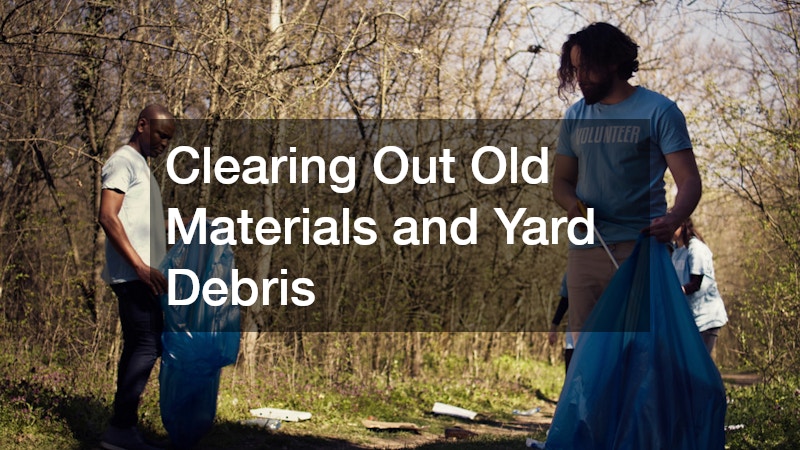
One of the first physical steps in any backyard transformation is removing what no longer belongs there. Old fencing, broken furniture, fallen branches, and leftover construction materials can make a yard feel chaotic and unusable. To truly begin creating a backyard that works, you must first create a clean slate.
This process often requires more than just a few trash bags. Large projects generate a surprising amount of debris, which is why many homeowners turn to a roll off container rental when starting a backyard renovation. These large containers provide a convenient way to collect everything in one place without constant trips to the landfill. They also keep your work area safer and more organized.
Another option for homeowners who want flexibility is a local dumpster rental, which can be sized to fit the scope of the project. Whether you are removing old decking, broken concrete, or piles of brush, having a designated place to dispose of materials makes every step easier. It also prevents clutter from piling up in corners of the yard, which can slow progress and create safety hazards.
As you clear the space, take time to reassess the layout. With debris gone, it becomes easier to see how different zones might be arranged. You might discover open areas you never realized were there or identify problem spots that need grading or drainage. Removing old materials also improves soil health and makes it easier to bring in new landscaping. When the yard is free of junk, you can focus on building something new rather than working around the past. That sense of a fresh start is one of the most motivating parts of beginning a backyard transformation.
Defining Zones for Daily Living and Relaxation
A successful backyard is not just one large open space. It is a collection of zones, each designed for a specific purpose. When you begin creating a backyard with defined zones, you create an environment that feels organized, intentional, and inviting.
Start by identifying how you want to use your yard. Do you need a dining area for outdoor meals? A lounge space for relaxing? A play area for kids or pets? Perhaps you want a fire pit for evenings or a quiet garden retreat. Each of these activities benefits from its own designated space. Physical boundaries help make these zones feel distinct. Pathways, changes in ground material, low walls, and landscaping all serve as natural dividers. A patio might transition into a lawn, which then leads to a garden bed. These subtle shifts create visual interest while guiding movement through the yard.
A well-placed structure, such as a pergola, can further define a zone without closing it off. Professional pergola installation services can add shade, architectural interest, and a sense of enclosure to seating or dining areas. This makes those spaces feel more like outdoor rooms rather than open patches of ground.
Zoning also improves traffic flow. Guests can move easily from one area to another without crossing through spaces that serve different functions. That makes the yard feel larger and more comfortable, even if the overall square footage is limited. By carefully planning how each part of the yard will be used, you transform it into a multi-functional environment that supports everyday life and special occasions alike.
Adding Storage and Structure to Reduce Clutter
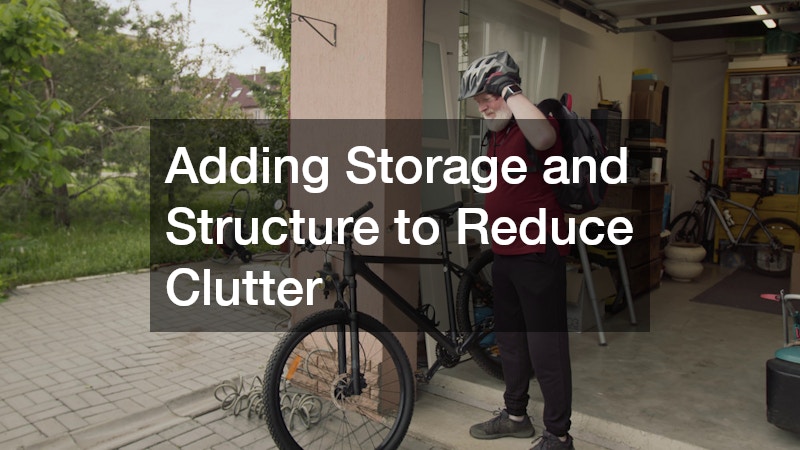
Outdoor clutter can quickly undermine even the best backyard design. Tools, toys, garden supplies, and seasonal decorations all need a place to go. To truly begin creating a backyard that works, you must include smart storage solutions that keep the space tidy and usable.
One of the most effective ways to add storage is through professionally built structures. Skilled shed builders can create custom sheds that match your home’s style while providing secure, weather-resistant storage. These sheds can house everything from lawn equipment to patio cushions, keeping them out of sight but easily accessible.
In addition to sheds, built-in benches with storage compartments, deck boxes, and wall-mounted organizers can help keep frequently used items organized. The goal is to make it easy to put things away, which encourages better habits over time. When storage is thoughtfully integrated into the design, the backyard feels more spacious and calm. You are no longer stepping over hoses or searching for tools. Everything has a place, which makes the yard more enjoyable to use.
Structural elements like pergolas, fences, and retaining walls also add visual order. They create a framework around which the rest of the design can develop. This structure makes the space feel finished rather than temporary. By prioritizing storage and organization, you ensure that your backyard remains functional long after the initial project is complete.
Protecting the Space From Pests and Damage
No matter how beautiful a backyard is, it can quickly become uncomfortable if pests take over. Insects, rodents, and other unwanted guests can damage plants, structures, and even your home. When you begin creating a backyard, pest prevention should be part of the plan.
Many homeowners rely on local exterminators to assess existing pest problems and recommend treatment options. These professionals understand regional pest patterns and can provide targeted solutions that reduce infestations without harming beneficial wildlife.
In addition to professional help, smart design choices also discourage pests. Proper drainage prevents standing water that attracts mosquitoes. Trimmed vegetation reduces hiding places for rodents. Sealed storage areas keep insects away from food and equipment.
Regular pest control services can maintain a healthy balance, allowing you to enjoy your yard without constant worry. This ongoing maintenance is just as important as the initial design. A pest-free environment makes outdoor spaces safer, cleaner, and more comfortable. It protects your investment and ensures that your backyard remains a place of relaxation rather than frustration.

Installing Boundaries for Privacy and Security
Privacy is one of the most valued features of a backyard. Whether you are hosting a gathering or enjoying a quiet moment alone, feeling secluded from neighbors and street noise makes the space more enjoyable. To begin creating a backyard that feels private and secure, boundaries are essential.
A wood fence is a popular choice because it offers both visual appeal and functional separation. It can be customized in height, style, and finish to match your home and landscaping. Fences also provide a sense of enclosure that makes the yard feel like an extension of the house rather than an exposed outdoor area. In addition to fencing, hedges, trees, and decorative screens can further enhance privacy. Layering these elements creates depth and blocks unwanted views while still allowing light and airflow.
Boundaries also improve safety by keeping pets and children contained. They reduce the risk of wandering and provide peace of mind. When privacy and security are thoughtfully addressed, the backyard becomes a comfortable retreat where you can truly relax and enjoy your surroundings.
Creating Durable Surfaces for Movement and Use
A functional backyard needs stable, durable surfaces that support walking, seating, and activities. Uneven ground, mud, and loose gravel can make the space difficult to use. When you begin creating a backyard, investing in proper surfaces makes a noticeable difference.
Professionals from a paving company can install patios, walkways, and driveways that provide smooth, long-lasting foundations. These surfaces connect different areas of the yard and make it easier to move between zones. They also reduce erosion and improve drainage.
Before paving begins, excavating services are often required to level the ground, remove old material, and prepare a stable base. This step is critical for preventing cracks and settling in the future.
With the right preparation and materials, paved surfaces can withstand heavy use and changing weather conditions. They also add a polished, finished look to the yard.
Durable surfaces support everything from outdoor furniture to children’s play equipment, making the space more versatile and user-friendly.
Maintaining and Evolving Your Backyard Over Time
A backyard is not a one-time project. It evolves as your needs change and as plants grow. To successfully begin creating a backyard that lasts, maintenance and adaptability must be part of the strategy.
Regular upkeep keeps everything looking and functioning its best. This includes mowing, trimming, cleaning hard surfaces, and checking structures for wear. Addressing small issues early prevents them from becoming costly problems later.
Seasonal changes also bring new challenges and opportunities. Spring may involve planting and cleaning, while fall focuses on preparing for winter. By staying engaged with your space, you keep it healthy and inviting.
Over time, you may want to add new features or modify existing ones. A family might add a play area, while empty nesters may prefer more seating or gardens. A flexible design allows these changes without major disruptions. A well-maintained backyard continues to provide value, enjoyment, and comfort year after year, making the effort you put into it truly worthwhile.
Bringing the Entire Design Together
The final step is ensuring that all elements work together as a cohesive whole. From storage and seating to pathways and landscaping, everything should feel connected. When you begin creating a backyard with a clear vision, each component supports the others.
Consistency in materials, colors, and layout helps unify the space. Repeating design elements, such as similar paving or wood finishes, tie different zones together visually.
The result is a backyard that feels intentional, welcoming, and easy to use. It supports daily routines, special occasions, and moments of quiet relaxation alike. With thoughtful planning, practical steps, and ongoing care, your backyard can become one of the most valuable and enjoyable parts of your home.
